The Luxury Leather & Material Guide
Editorial Note: This guide provides educational content about luxury leather materials based on publicly available industry research, material science principles, and secondary market data. It is not financial or investment advice. Luruge is a curated marketplace sourcing from verified wholesale suppliers. We do not perform independent materials testing or laboratory analysis. Material performance can vary based on individual use, climate, and care practices. Always research thoroughly before making luxury purchases.
The Connoisseur’s Guide to Luxury Leathers & Material Resilience
Material choice has become a critical factor in luxury handbag selection. While logos and trends fluctuate, leather performance—how a material withstands time, climate, and regular use—significantly influences both ownership satisfaction and resale outcomes.
At Luruge, we curate authentic Prada, Gucci, and Saint Laurent pieces by evaluating material characteristics based on industry research and resale market data. Our selections prioritize demonstrated resilience over purely aesthetic appeal.
While our collections primarily focus on heritage hides and proven luxury materials, we monitor the development of emerging bio-leathers and lab-grown alternatives as major houses explore limited adoption. This guide reflects materials available in the current market and emerging innovations shaping luxury’s material future.
This framework examines luxury leathers through the lenses of resilience, rarity, maintenance requirements, and value preservation based on available research and market observations.
Navigate the Materials
- The Workhorse Tier
Saffiano · Grained Calfskin · Coated Canvas - The Heritage Tier
Lambskin · Box Calf · Smooth Leathers - The Future Tier
Re-Nylon · Bio-Leathers - The Exotic Frontier
Ostrich · Lizard · Crocodile - Care & Preservation
The Material Performance Overview (2026 Edition)
A decision framework based on publicly available resale data, industry material research, and maintenance requirements.
Methodology Note: Resale retention percentages are based on aggregated data from Rebag, Fashionphile, and Vestiaire Collective market reports covering Q4 2023-Q4 2025. Individual results vary based on condition, color, style, and market timing.
| Material | Durability Characteristics | 3-Year Resale Retention Range | Maintenance Level | Typical Use Cases |
|---|---|---|---|---|
| Saffiano (Prada) | High scratch/water resistance | ~68–72% | Low | Daily professional use, travel |
| Grained Calfskin | Good moisture resistance | ~65–70% | Low–Medium | High-frequency carry, humid climates |
| GG Supreme Canvas (Gucci) | Water-resistant, lightweight | ~66–70% | Low | Travel, daily rotation |
| Box Calf | Condition-dependent | 40–90% (highly variable) | High | Collectors, occasional use |
| Lambskin (YSL) | Soft but delicate | ~50–60% | High | Evening wear, low-frequency |
| Smooth Calfskin | Develops patina | ~58–62% | Medium–High | Intentional ownership |
Data compiled from Rebag Clair Report 2024-2025, Fashionphile market analytics
The Workhorse Tier
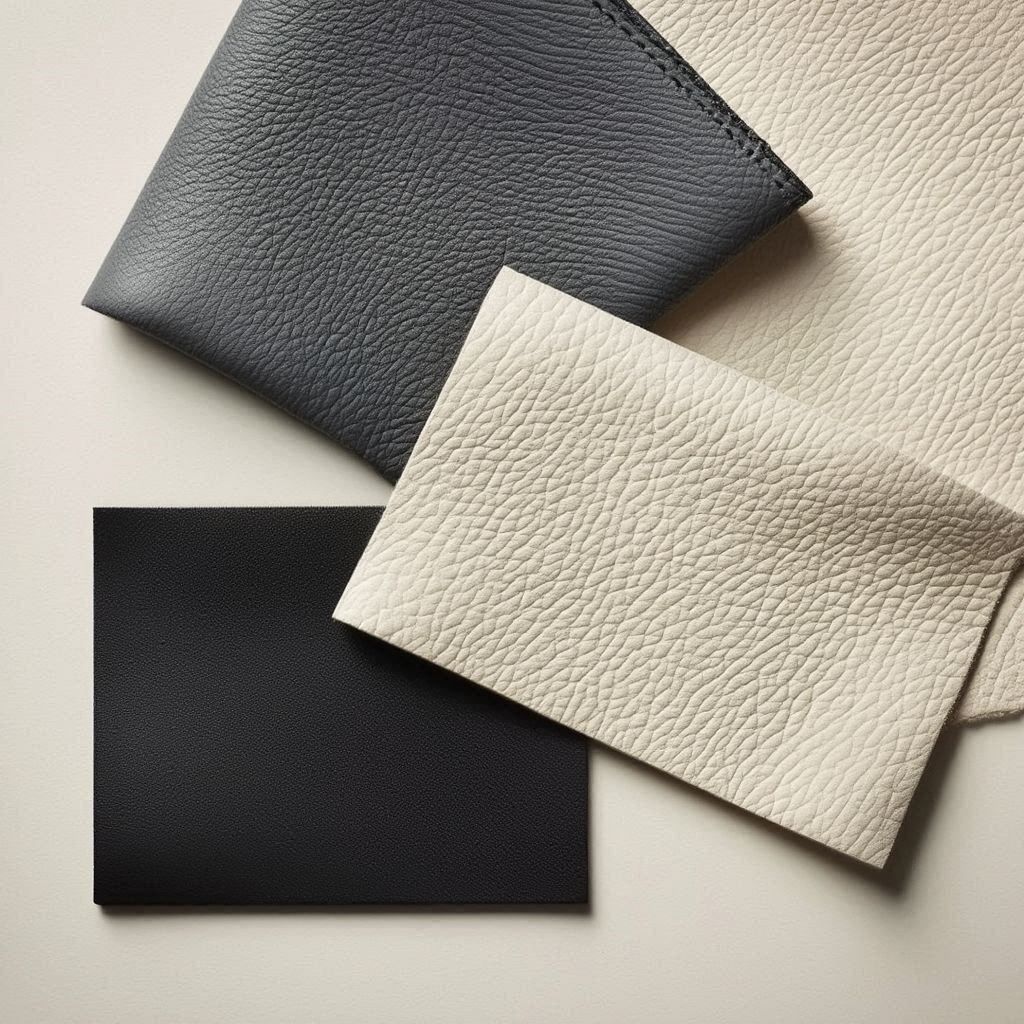
Engineered for durability, structure, and climate resilience. These materials demonstrate strong performance across varying conditions and use patterns, typically delivering predictable resale outcomes.
Materials in this category are processed to enhance surface protection—whether through heat-pressing (Saffiano), natural grain structure (pebbled calfskin), or coating (canvas). This processing creates resistance to common wear factors: scratches, moisture, and structural deformation.
Saffiano Leather (Prada)
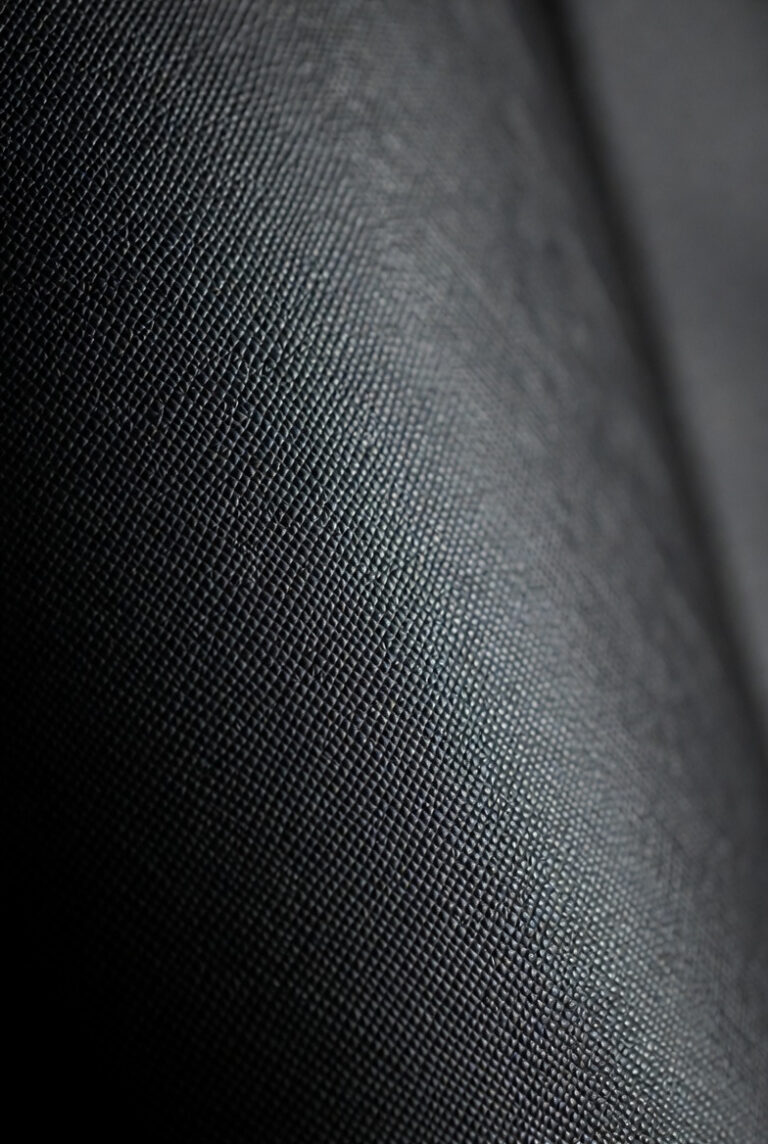
Developed by Prada, Saffiano features a heat-pressed crosshatch texture sealed with a wax finish. According to leather science research, this process compresses the leather’s surface fibers, creating enhanced resistance to scratches, moisture, and abrasion compared to smooth leathers.
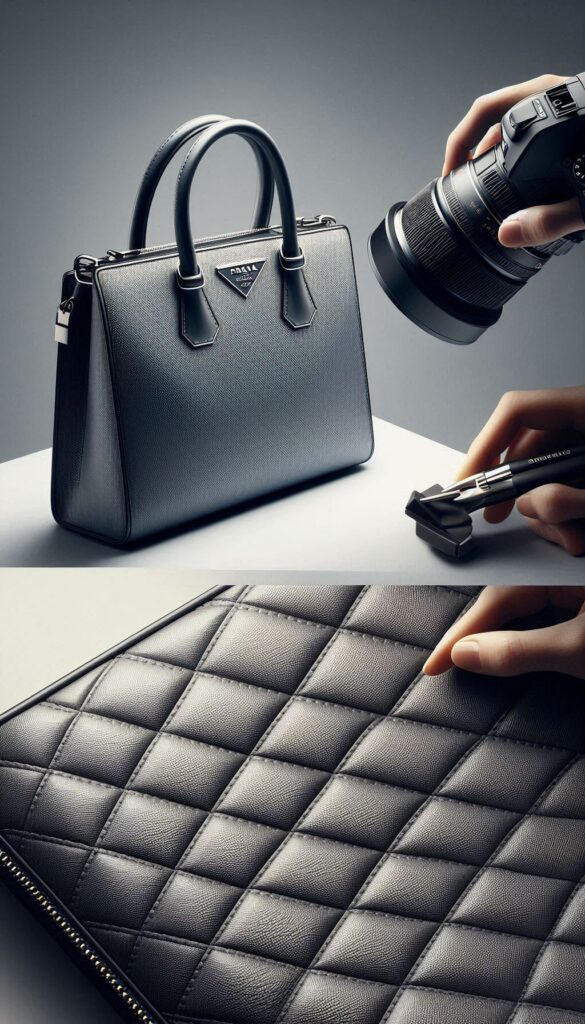

Industry observations suggest Saffiano performs well in dry heat and temperature fluctuation environments. The material’s rigidity helps maintain structural shape over time compared to softer leather alternatives.
Resale Performance: Based on secondary market data, Saffiano demonstrates notable stability. A three-year-old Saffiano Galleria in well-maintained condition typically retains 68–72% of original retail value according to Rebag’s market tracking, with relatively narrow variation compared to other leather types.
Repair Considerations: Leather restoration specialists note that while Saffiano resists surface wear, deep damage that penetrates the wax finish presents restoration challenges. The compressed texture and sealed surface resist traditional leather repair techniques that work well on smooth calfskin. Prevention through protective care remains the optimal approach.
→ For detailed analysis:
Saffiano — Timeless Armor or Synthetic Trap?
Grained Calfskin (Togo / Clemence / Grain de Poudre)
Grained calfskin features natural or embossed pebbling that, according to material science, helps disperse wear patterns across the surface. Thicker cuts common in grained leather demonstrate structural resilience in high-humidity environments where smooth leathers may show more rapid degradation.
Saint Laurent’s Grain de Poudre—a finely embossed calfskin—has gained market recognition as a material offering visual refinement with improved durability characteristics compared to smooth finishes.
In coastal and subtropical climates, industry research suggests grained calfskin outperforms smooth alternatives in moisture and temperature fluctuation resistance.
Weight Consideration: Grained calfskin—particularly Togo and Clemence—typically uses thicker hide cuts than Saffiano or nylon materials, resulting in 30–40% additional weight for equivalent bag sizes. This weight difference can compound over extended daily wear and should be considered for comfort-focused purchases.
Coated Canvas (Gucci GG Supreme)
Coated canvas represents a textile-based alternative to traditional leather. In Gucci’s recent collections, GG Supreme canvas has demonstrated strong performance in resale markets, often matching or exceeding leather variants in condition retention.
The material’s characteristics—lightweight construction, moisture resistance, and structural stability—reduce certain restoration costs compared to leather. Canvas does not absorb oils, develop inconsistent patina, or require seasonal conditioning protocols typical of leather care.
For buyers prioritizing utility alongside brand recognition, coated canvas delivers favorable cost-per-wear economics based on market performance data.
The Heritage Tier
Materials requiring elevated care standards. Heritage leathers reward meticulous maintenance with exceptional tactile qualities and visual refinement, but show accelerated resale depreciation when condition deteriorates.
These materials appeal to collectors and intentional owners who view luxury goods as curated objects requiring preservation protocols. Usage patterns typically involve limited rotation frequency, climate-controlled storage, and acceptance of heightened maintenance requirements.
Lambskin (Saint Laurent)
Lambskin is valued for exceptional softness, fluid drape, and surface refinement. Material science attributes these characteristics to the leather’s thin fiber structure and specialized tanning processes that preserve suppleness.
However, this delicacy creates sensitivity to pressure, friction, and oil absorption. Secondary market analysis reveals significant condition-based price variation.
Resale Dynamics: According to market data, a well-maintained Loulou or Kate in lambskin typically retains 55–60% of retail value after three years, but visible wear (corner damage, scratches, oil absorption) can reduce retention to 45% or below. Unlike Saffiano where condition causes minor pricing shifts, lambskin condition directly correlates with buyer pool size.
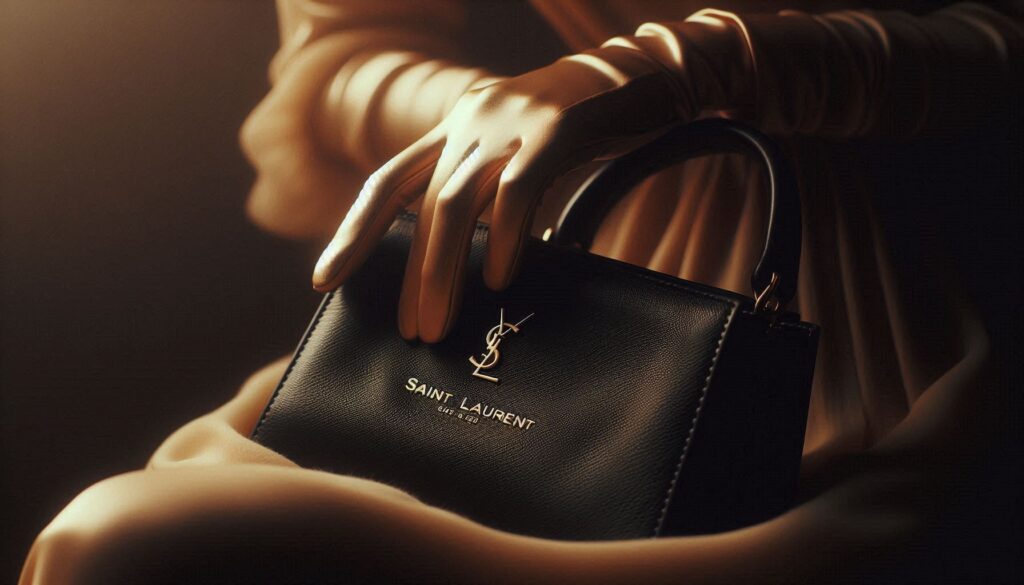
Critical Care Warning: Light-colored lambskin (beige, cream, white) carries documented risk of permanent denim dye transfer. Industry restoration specialists identify this as one of the most common and irreversible forms of lambskin damage. Indigo dye from new or dark denim migrates on contact, creating blue staining that professional restoration cannot fully remove. Users of light lambskin should avoid contact with new denim entirely.
Best suited for occasional wear or limited-rotation ownership. Lambskin represents a material choice for curation rather than daily utility.
→ For detailed comparison:
Lambskin vs. Calfskin — Material Characteristics Explained
Box Calf & Smooth Leathers
Box calf and smooth calfskin age through patina development rather than protective treatments. Market trends indicate growing appreciation for controlled patina among informed buyers, though performance remains highly variable.
These leathers appeal to owners who view handbags as evolving objects. Controlled patina—subtle burnishing at contact points, gradual grain deepening—can enhance perceived value among collectors. Uncontrolled wear—scratches, discoloration, surface dryness—significantly reduces it.
Resale Performance: Box calf demonstrates binary outcomes in secondary markets: immaculately maintained pieces can retain 85–90% of retail value, while visibly worn examples may struggle to reach 40%. Market data shows minimal middle ground. Ownership requires expertise, disciplined care, and acceptance of value volatility.
The Future Tier

Re-Nylon (Prada)
Prada’s Re-Nylon represents the intersection of sustainability initiatives and practical durability. The material offers weather-resistance, light weight, and structural resilience.
However, resale behavior differs from heritage leathers. Current market data suggests Re-Nylon retains approximately 50–60% of retail value after three years, with performance influenced by style continuity. Discontinued designs face steeper depreciation than ongoing collections, positioning Re-Nylon as a utility-focused choice rather than long-term value preservation.
Bio-Leathers & Lab-Grown Materials
By 2026, bio-leathers derived from materials like mycelium (mushroom-based) have progressed from experimental to limited commercial availability. Projects like Hermès’ Sylvania represent high-profile adoption of bio-materials.
These innovations prioritize sustainability, manufacturing consistency, and climate resistance compared to traditional animal hides.
Market Maturity: Long-term resale data remains limited given recent introduction. Current market positioning suggests bio-materials appeal primarily to sustainability-focused buyers and early adopters willing to accept pricing uncertainty in exchange for material innovation.
At Luruge, we monitor bio-leather development closely but maintain conservative curation standards, prioritizing materials with demonstrated real-world performance data.
The Exotic Frontier
Highest rarity tier, requiring specialized knowledge. Exotic leathers demand authentication expertise, legal documentation, and acceptance of limited buyer pools.
In 2026, CITES documentation (Convention on International Trade in Endangered Species) is essential for exotic leather trade. Pieces lacking proper legal documentation face severe resale limitations regardless of material condition or brand.
Care Requirements: Exotic materials demonstrate heightened sensitivity to environmental conditions. Leather conservation specialists note that crocodile and lizard require specific humidity ranges, ostrich quills require pressure-free storage, and all exotics typically need specialist restoration services unavailable in most markets.
Market Characteristics: Buyer pools for exotics are significantly narrower than standard leathers. Transaction timelines extend, authentication costs increase, and condition standards intensify. These materials typically appeal to collectors viewing pieces as long-term holdings rather than liquid assets.
Care & Preservation
Storage Protocols
Structural Maintenance:
Store bags stuffed with acid-free tissue or structured inserts to prevent creasing and shape deformation. This practice is particularly critical for lambskin and smooth leathers where permanent creasing impacts resale value. Use breathable cotton dust bags within climate-controlled environments. Avoid plastic storage which traps moisture, and avoid basement storage where humidity fluctuates.
Hardware Protection
Chain Strap Management:
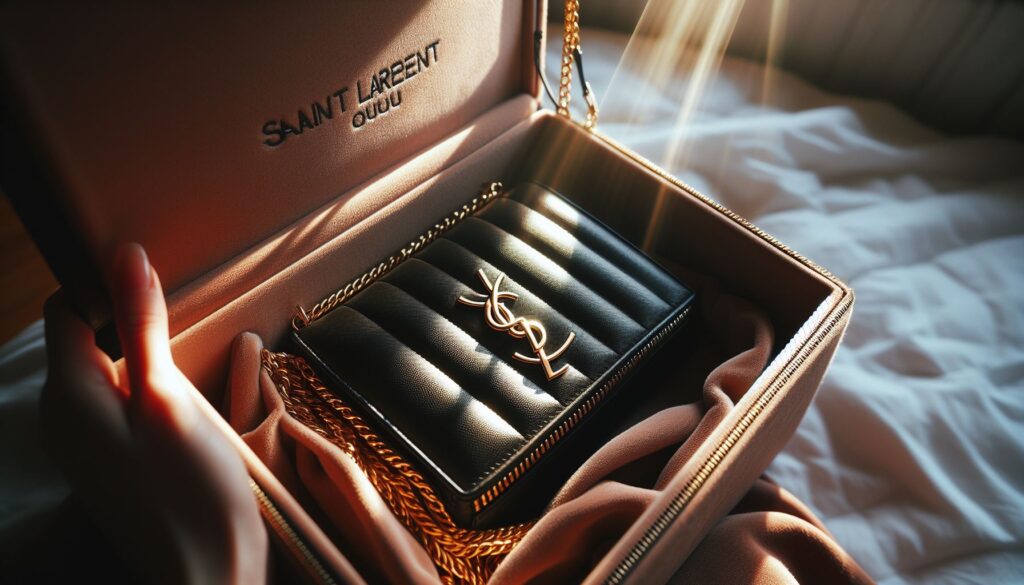
Heavy chain straps represent a commonly overlooked source of leather damage. On bags featuring chain elements (Saint Laurent Loulou, Gucci Marmont), always tuck chains inside during storage to prevent metal-on-leather compression marks. For lambskin especially, hardware indentations can become permanent and significantly reduce resale value. If chains are detachable, remove them entirely during storage periods.
Cleaning Protocols
Product Selection:
Avoid baby wipes or household cleaning products. These typically contain alcohols that strip protective finishes and dehydrate leather fibers according to leather chemistry research. Use manufacturer-appropriate leather conditioners sparingly—excessive conditioning can cause surface darkening and structural weakening.
When uncertain about appropriate care products, consult specialist leather care services rather than risking irreversible damage through experimental treatments.
Usage Patterns
Rotation & Climate Matching:
Regular rotation prevents localized stress and deformation. Material selection should consider climate factors: in high humidity environments, grained leathers demonstrate superior performance to smooth hides; in extreme dry heat, Saffiano maintains stability most effectively based on industry observations.
Materials to Approach With Caution
Patent Leather (Vernis)
Based on 2024-2025 resale data, patent leather demonstrates poor secondary market performance due to documented issues including color transfer, surface cracking, and irreparable finish damage. Even well-maintained examples face limited demand as buyers increasingly prioritize materials with graceful aging potential rather than protective finishes prone to failure.
Material Selection Framework
Decision guidance based on lifestyle factors:
For frequent travel and variable climates (London/NYC, 40% travel):
Consider Saffiano or GG Supreme. These materials demonstrate performance across temperature fluctuation and moisture exposure based on market feedback and material characteristics.
For collection building and occasional formal use:
Consider Lambskin. Low-frequency wear in controlled environments allows lambskin to deliver refinement without accelerated condition deterioration that affects resale.
For contemporary aesthetic with regular use requirements:
Consider Grain de Poudre (Grained Calf). This material offers visual sophistication with structural resilience suitable for frequent carry.
For value preservation with minimal use:
Consider Box Calf with museum-level care standards. Pristine box calf commands premiums in resale markets, but this strategy requires near-zero use and exceptional storage discipline.
For sustainability-focused purchasing:
Consider Re-Nylon or monitor bio-leather developments. Accept that long-term resale data remains incomplete, recognizing participation in luxury’s material evolution rather than established value preservation.
Final Considerations
Material selection should align with individual lifestyle requirements, climate conditions, and maintenance capacity rather than purely aesthetic preference. Long-term satisfaction and value retention follow from this fundamental alignment.
At Luruge, we curate inventory based on demonstrated material performance informed by resale data and industry research, not marketing narratives alone. Our selection process applies the same evaluation framework presented in this guide.
Continue Your Education:
→ Explore Our Curated Saffiano Collection
→ Material Care & Preservation Resources
About This Guide
The Luruge Editorial Team creates luxury fashion educational content through comprehensive industry research, material science consultation, and secondary market data analysis. This guide synthesizes information from leather industry publications, resale market reports, and material conservation research. Updated February 2026.
Curator’s Note on Material Assessment
At Luruge, we source exclusively from BrandsGateway, a verified wholesale luxury distributor with direct brand relationships. While we evaluate materials based on supplier specifications and industry research, we do not perform independent laboratory testing or materials analysis. We recommend buyers conduct their own research on material characteristics and consider professional authentication for high-value purchases.
Material performance varies based on individual use patterns, climate conditions, and care practices. The information in this guide is educational and should not be considered as guarantees of specific outcomes.
Research sources: Leather Science journals, Rebag Clair Report 2024-2025, Fashionphile market analytics, leather conservation industry publications, manufacturer material specifications