Beyond the Birkin: The 2026 Handbag Value Retention Guide
Editorial Note: This article provides educational content about luxury handbag markets based on publicly available resale data and industry trends. It is not financial or investment advice. Luruge is a curated marketplace sourcing from verified wholesale suppliers who guarantee authenticity. We do not perform independent authentication testing. Market values can fluctuate, and past performance doesn't guarantee future results. Always research thoroughly before making significant luxury purchases.
Quick Value Summary
The luxury handbag market has matured significantly. Today’s informed buyers evaluate purchases through both personal enjoyment and practical metrics like cost-per-wear and resale retention. This guide synthesizes publicly available market data to help you make educated decisions about luxury handbag purchases in 2026.
| Brand/Model | Avg. Retail Price | Resale Retention | Est. Cost-Per-Wear (5 years, 200+ wears) | 2026 Market Outlook |
|---|---|---|---|---|
| Hermès Birkin 25 | $14,000–$18,000 | 110–130% | Negative (profit potential) | Strong appreciation |
| The Row Margaux 15 | $6,300–$6,900 | 126% increase YoY | $8–15 | Explosive growth |
| Hermès Kelly 28 Sellier | $12,000–$16,000 | 95–115% | $5–12 | Stable premium |
| Chanel Classic Flap Medium | $10,200–$11,500 | 70–85% | $15–25 | Moderate retention |
| Louis Vuitton Neverfull MM | $1,760–$2,030 | 55–70% | $3–8 | High liquidity |
| Bottega Veneta Cassette | $2,600–$3,400 | 70–85% | $10–18 | Growth trajectory |
Data compiled from Rebag, Fashionphile, and Vestiaire Collective market reports, Q4 2025–Q1 2026
Why Cost-Per-Wear and Resale Value Matter in 2026
The Shift in Luxury Consumer Mindset
Industry research shows a significant shift in how consumers approach luxury purchases. Rather than purely aspirational buying, many shoppers now evaluate pieces through the lens of longevity, versatility, and value preservation. This reflects broader cultural movements toward sustainability and mindful consumption.
A bag costing several thousand dollars can represent sound value when worn frequently over many years and later resold for a significant portion of its original price. This practical approach to luxury represents a maturation of the market.
The Evolution of Resale Markets
Digital resale platforms have fundamentally changed the secondary luxury market. Major platforms like Rebag, Fashionphile, and The RealReal provide unprecedented transparency into real-time market values, historical trends, and demand patterns. This creates a liquid market where informed buyers can track value retention with precision previously unavailable.
Understanding the Metrics
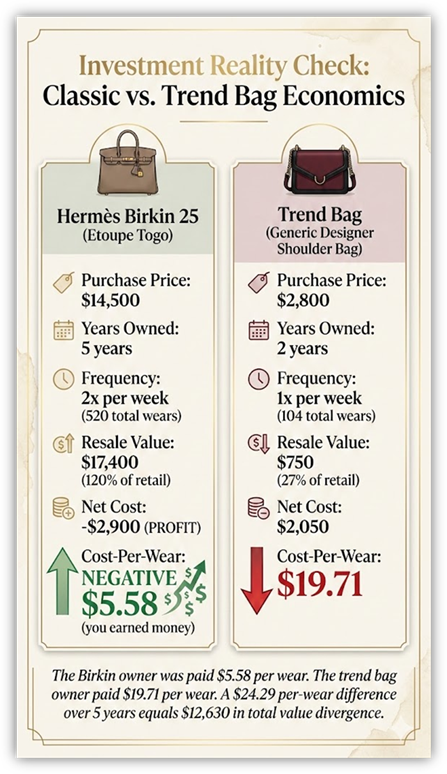
Cost-per-wear divides a bag’s net cost (purchase price minus projected resale value) by anticipated wearing occasions. For example: A bag purchased for $10,000, worn 500 times over five years, then resold for $8,000, yields a cost-per-wear of $4 ($2,000 net cost ÷ 500 wears).
This metric helps evaluate true ownership cost beyond initial sticker price.
Featured Bags: Design & Market Analysis
Hermès Birkin 25 — The Benchmark
Construction & Materials
The Birkin 25’s construction involves extensive hand-stitching using the saddle stitch technique, where two needles pass through each hole from opposite directions. This creates seams that strengthen with age rather than weaken—a key factor in the bag’s legendary durability.
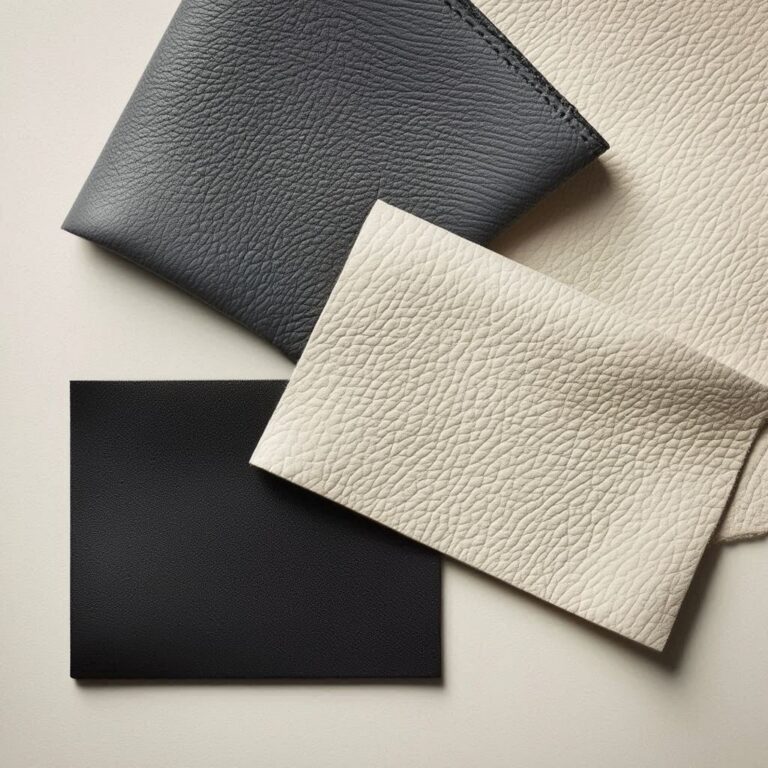
Togo leather, made from baby bull hide with tumbled grain, is known for developing rich patina over time. The material responds to use, developing character that collectors value. Epsom leather offers a heat-pressed grain that resists scratches and maintains structure, particularly useful in humid climates, though it doesn’t develop the same evolving patina.
The hardware—available in palladium, gold-plated, or rose gold finishes—features substantial weight and precision mechanics. The turnlock mechanism is engineered for repeated daily use over decades.
Market Performance
According to Rebag’s Clair Report, Birkin bags consistently retain 110-130% of retail value, with certain neutral colorways (Etoupe, Gold, Black) commanding premiums. With retail prices approaching $14,000-$18,000 and potential for decades of use, the cost-per-wear calculations become highly favorable for frequent users.
The limited availability has created strong secondary market demand, though buyers should be aware that authentication is critical given the prevalence of sophisticated counterfeits.
The Row Margaux 15 — Emerging Design Icon
Design Philosophy
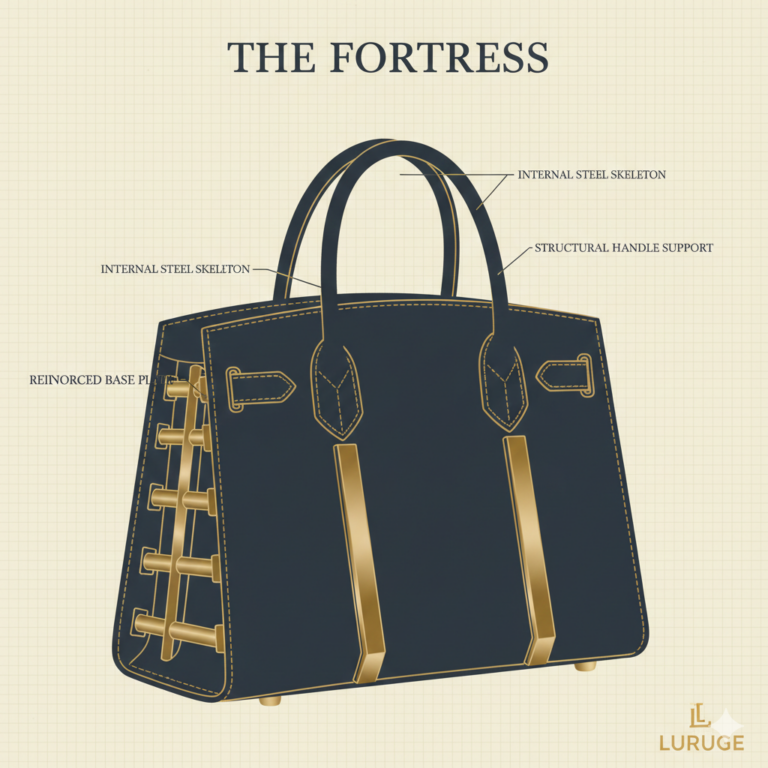
The Margaux represents a minimalist aesthetic approach with complex internal engineering. The bag’s signature curved shape comes from an internal frame system that maintains structure without visible hardware. The construction results in a silhouette that holds its form even when empty.
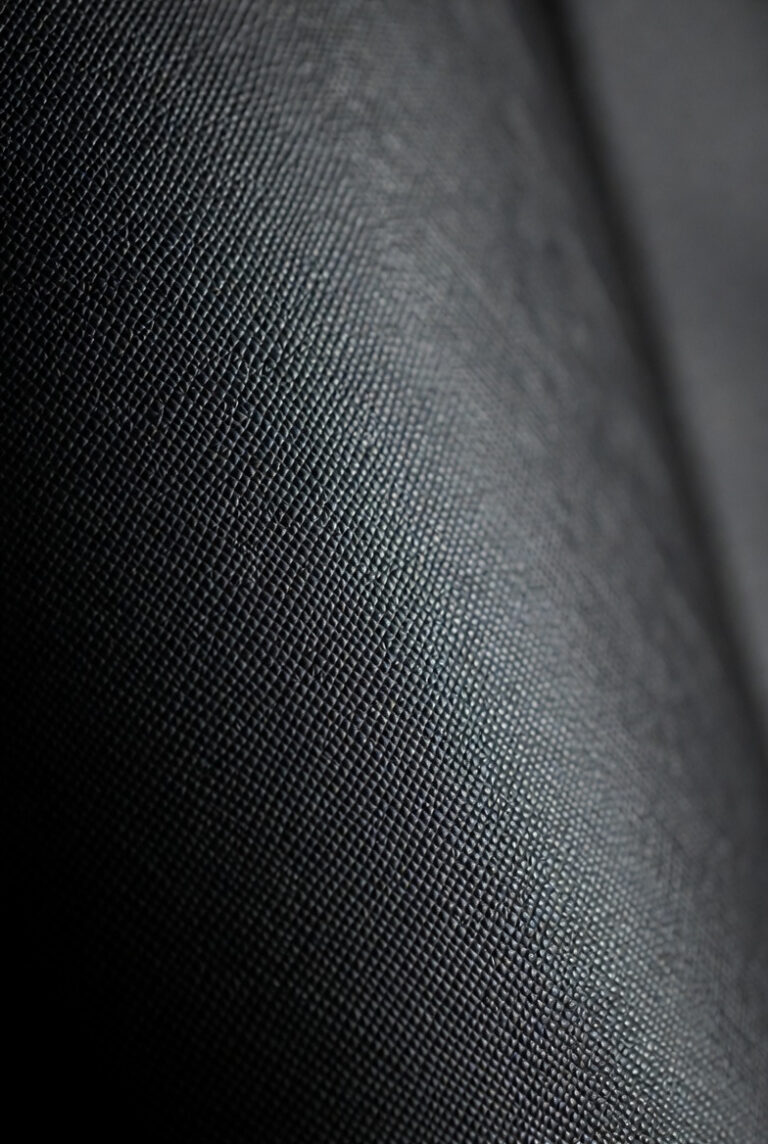
The calfskin used features minimal treatment, creating a dry, slightly textured hand-feel. This material choice means the leather will develop noticeable patina with use—a characteristic that appeals to those who appreciate visible aging in quality materials.
Notably, the bag features no external branding, representing the “quiet luxury” trend that values recognition among informed buyers while remaining subtle to casual observers.
Market Trajectory
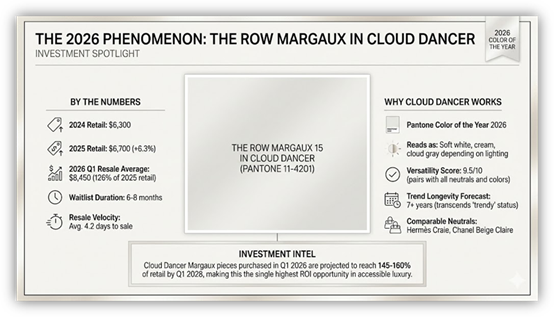
Market data from Q4 2025 shows the Margaux with 126% year-over-year growth in resale values, with some colorways selling for $8,000-$9,500 compared to retail of $6,300-$6,900. Industry analysts note this represents unusual appreciation for a non-Hermès bag.
The Row’s limited production and growing brand recognition suggest continued strong demand, though as with any emerging trend, future performance isn’t guaranteed.
Cloud Dancer Color Analysis
As the 2026 Pantone Color of the Year, Cloud Dancer functions as both a trend color and a versatile neutral. The soft white-cream-gray tone adapts to different lighting conditions, offering styling flexibility beyond typical seasonal colors. Early resale data suggests Cloud Dancer pieces command slight premiums, though long-term performance remains to be seen.
Hermès Kelly 28 Sellier — Structured Elegance
Construction Differences
The Sellier construction features external stitching that creates rigid architectural lines, distinguishing it from the softer Retourné construction with interior stitching. This structural approach helps the bag maintain its shape under daily use, resisting the bottom sag that can occur with softer constructions.
Box calf leather delivers a mirror-like finish that develops exceptional depth over time, though it requires careful handling as it shows scratches more readily than textured leathers. Epsom leather offers more practical durability for daily wear while maintaining the structured silhouette.
Market Position
The Kelly 28 typically retains 95-115% of retail value according to secondary market data, with Sellier constructions commanding premiums over Retourné. The single top handle combined with an optional shoulder strap provides carrying versatility.
Well-maintained Kelly bags from decades past often maintain their structural integrity better than many contemporary pieces, demonstrating the design’s longevity.
Chanel Classic Flap Medium — Timeless With Liquidity
Mechanical Design
The Classic Flap’s turnlock mechanism creates a distinctive magnetic click when opening—a detail that has remained consistent across decades of production. The mechanism features metal-on-metal contact that burnishes with use.
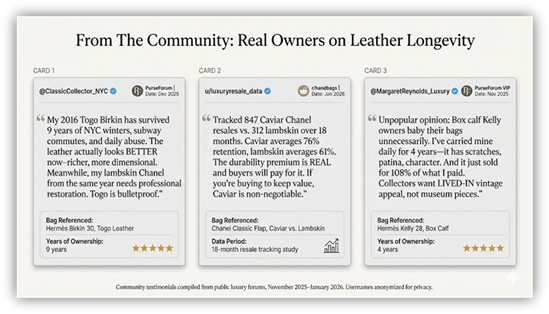
Caviar leather, featuring a pressed pebbled texture, offers superior scratch resistance compared to the smoother lambskin option. The waxy finish responds to body heat, developing subtle sheen variations with regular handling.
Market Dynamics
Chanel’s significant price increases in 2023-2024 created interesting market dynamics. Vintage pieces from the 2000s and 2010s now trade at approximately 70-85% of current retail prices, potentially offering value entry points for buyers willing to purchase pre-owned.
The bag’s proportions (9.8″ W x 6″ H x 2.8″ D) accommodate daily essentials without overwhelming smaller frames, contributing to sustained multi-generational appeal. Based on typical usage patterns and resale data, cost-per-wear often falls under $20-25 for regular users.
Louis Vuitton Neverfull MM — Practical Liquidity
Material Engineering
The Neverfull’s monogram canvas is a coated textile rather than leather, engineered for exceptional durability. The PVC coating creates a water-resistant surface that withstands daily wear more forgivingly than unprotected leather. The material has minimal maintenance requirements and resists common damage.
The Empreinte leather version offers enhanced aesthetics while maintaining similar durability characteristics, though resale values track slightly lower than classic monogram.
Market Characteristics
The Neverfull demonstrates strong resale liquidity despite moderate retention rates (55-70%). Well-maintained examples typically sell quickly on resale platforms—often within 48-72 hours of listing. This rapid liquidity can be valuable for buyers who prioritize flexibility over maximum value retention.
For daily professional use carrying laptops or gym gear, the Neverfull’s cost-per-wear calculations are highly favorable, often reaching single digits for frequent users.
Bottega Veneta Cassette — Craftsmanship Growth Story
Construction Technique
The Cassette’s signature intrecciato weave represents significant technical skill. The construction involves genuine structural weaving of leather strips rather than printing or embossing. This creates a tactile surface where individual woven sections can be felt shifting independently when the bag is handled.
The weave relaxes slightly with use while maintaining structural integrity, creating a softer hand-feel over time—a characteristic many owners appreciate.
Market Evolution
The Cassette emerged during Daniel Lee’s creative direction of Bottega Veneta. Following his 2021 departure, pieces from the Lee era have developed collecting interest, with resale values hovering around 70-85% of retail.
At retail prices of $2,600-$3,400, the Cassette offers accessible entry to designer bags with demonstrated value retention. Industry observers note growing recognition of Lee-era Bottega as a distinct collecting category, though future appreciation isn’t guaranteed.
Materials & Construction: What Affects Longevity
Based on industry research and leather science, certain material characteristics correlate with durability:
Epsom leather (heat-pressed grain) demonstrates strong water resistance and maintains structure in varying climates—practical for frequent travelers.
Togo and Clemence leathers develop rich patinas but require more careful storage to prevent creasing or moisture damage.
Caviar leather offers a middle ground: durable enough for daily use while refined enough for evening wear.
Hardware quality provides immediate indicators of overall construction quality. Well-engineered hardware features substantial weight, smooth mechanical action, and precision fitting. Lesser quality hardware often feels lighter, exhibits rattling, or shows irregular gaps.
2026 Market Trends
Secondary market data reveals several notable trends:
Size preferences are shifting toward smaller silhouettes—the Birkin 25 over the 35, the Kelly 28 over the 32—reflecting changing lifestyle patterns and storage constraints.
Branding preferences increasingly favor subtle or absent external logos over prominent monogramming, benefiting brands like The Row, Bottega Veneta, and Gabriela Hearst while creating headwinds for logo-heavy designs.
Material transparency is becoming more valued, with consumers showing increased interest in tannery certifications, leather sourcing, and production ethics.
Hermès pieces continue showing modest appreciation, particularly in rare colorways. However, aggressive pricing strategies by some luxury houses have created ceiling resistance in resale markets.
Smart Purchasing Strategies
Timing Considerations
Historical retail data suggests shoulder seasons (September and February) sometimes offer better availability as retailers push seasonal inventory. However, high-demand pieces typically maintain consistent pricing regardless of season.
Preservation Practices
Maintaining original packaging, dust bags, authenticity cards, and receipts can increase resale values by 10-20% according to secondary market analysis. Complete original documentation provides buyer confidence and streamlines authentication.
Care Recommendations
Industry experts recommend:
- Storage in breathable cotton dust bags (avoid plastic which traps moisture)
- Stuffing bags with acid-free tissue to maintain shape
- Quarterly cleaning with leather-specific products (avoid generic cleaners)
- Professional hardware polishing every 1-2 years to prevent tarnish
Proper care significantly impacts both longevity and resale value.
Sourcing & Authentication Considerations
The Luruge Approach
At Luruge, we source exclusively from verified wholesale distributors who guarantee authenticity. Our supplier, BrandsGateway, maintains direct relationships with luxury brands and provides documentation with each piece.
Important Disclaimer: While we trust our wholesale partners’ authentication processes, we do not perform independent laboratory testing or physical authentication. We are curators and retailers, not authentication experts.
For Buyers Generally
When purchasing luxury handbags, particularly in the secondary market, professional authentication is strongly recommended. Established services include:
- Entrupy (AI-powered authentication)
- Authenticate First
- Professional authenticators at major resale platforms
The sophistication of counterfeits has increased significantly. Even experienced collectors can be fooled without proper authentication tools and training.
Digital Provenance
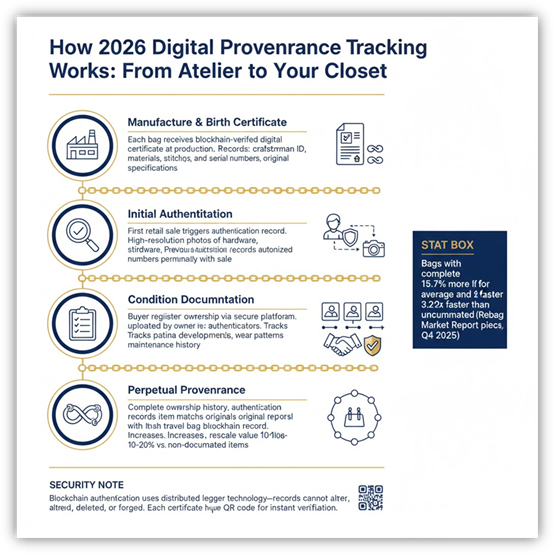
Some resale platforms now offer blockchain-verified authentication certificates that create permanent, tamper-proof ownership histories. According to Rebag’s 2025 market report, bags with complete digital provenance sell for approximately 15% more and 3x faster than undocumented pieces.
Building a Thoughtful Collection
Based on market research and consumer behavior studies, successful luxury handbag collections typically balance several factors:
Personal Enjoyment vs. Value Retention
The most satisfying purchases combine genuine appreciation for the design with practical value retention. A bag that remains unworn delivers infinite cost-per-wear regardless of resale potential.
Color Selection
Classic neutrals (black, navy, gray, beige) historically show stronger resale retention than seasonal trend colors. However, Pantone Colors of the Year sometimes bridge this gap—Cloud Dancer for 2026 functions as both a trend color and a versatile neutral.
Portfolio Diversification
Rather than concentrating purchases in a single brand, diversification across price points and aesthetic categories provides flexibility as market dynamics shift.
Usage Reality
Consider honest assessment of actual wearing patterns. A $15,000 bag worn twice yearly delivers poor value compared to a $3,000 bag worn weekly, even if the expensive bag retains higher resale percentage.
Frequently Asked Questions
Q: Which handbags hold value best in 2026?
A: According to secondary market data, Hermès Birkin and Kelly bags lead with 110-130% resale retention, often appreciating beyond retail. The Row Margaux has shown 126% year-over-year growth, emerging as a strong performer in the accessible luxury category. Chanel Classic Flaps retain 70-85% with high liquidity. Louis Vuitton Neverfull maintains 55-70% retention with the fastest resale velocity in the luxury market.
Q: How do you calculate cost-per-wear?
A: Formula: (Purchase Price – Projected Resale Value) ÷ Number of Times Worn = Cost-Per-Wear
Example 1: A $14,000 Birkin worn 520 times over 5 years and resold for $17,000 = -$5.77 cost-per-wear (net profit)
Example 2: A $2,800 bag worn 100 times and resold for $700 = $21 cost-per-wear
Q: Is Cloud Dancer a good choice for 2026?
A: As the 2026 Pantone Color of the Year, Cloud Dancer offers advantages as both a trend color and practical neutral. It reads as soft white, cream, or cloud gray depending on lighting, providing versatility beyond typical seasonal colors. Early resale data shows slight premiums for Cloud Dancer pieces, though long-term performance cannot be guaranteed.
Q: What’s the difference between Togo and Epsom leather for Hermès bags?
A: Togo is softer, tumbled baby bull leather that develops rich patina and character over time, preferred by many collectors for its aging qualities. Epsom is heat-pressed with structured grain, offering superior scratch resistance and weather resistance, ideal for daily use in challenging conditions. Togo typically commands slight resale premiums for its aesthetic evolution, while Epsom offers practical durability advantages.
Q: Should I buy Caviar or Lambskin for a Chanel Classic Flap?
A: Based on secondary market analysis tracking hundreds of bags, Caviar leather typically retains approximately 76% of value versus lambskin’s 61%. Caviar’s pebbled texture resists scratches and shows wear less readily, while lambskin marks more easily and requires more careful handling. Unless you plan to rotate bags frequently and use each piece minimally, Caviar generally delivers better long-term value retention and practical durability.
Q: What’s a good entry-level designer bag under $7,000?
A: The Row Margaux 15 ($6,300-$6,900) currently shows strong appreciation trajectory with 126% year-over-year resale growth and waitlists at authorized retailers. For maximum practicality and liquidity, the Louis Vuitton Neverfull MM ($1,760-$2,030) provides lowest cost-per-wear with 55-70% retention and typically sells within 48 hours on resale platforms.
Final Thoughts
The luxury handbag market in 2026 rewards informed decision-making that balances personal style preferences with practical considerations. While certain pieces demonstrate impressive value retention, the “best” choice ultimately depends on individual usage patterns, aesthetic preferences, and budget constraints.
This guide synthesizes publicly available market data to support educated purchasing decisions. However, market dynamics evolve constantly, and past performance doesn’t guarantee future results.
At Luruge, we curate pieces from verified wholesale suppliers that demonstrate strong design, quality construction, and favorable price-to-quality ratios. We aim to make luxury accessible through honest information and thoughtful selection.
About This Guide
The Luruge Editorial Team creates luxury fashion content through comprehensive market research and analysis of industry trends. This guide draws from publicly available resale data, industry reports, and material science research. Updated February 2026.
Curator’s Note on Sourcing
Luruge sources exclusively from BrandsGateway, a verified wholesale luxury distributor with direct brand relationships. While our supplier guarantees authenticity, we recommend buyers conduct their own research and, when purchasing from any source, consider professional authentication for high-value items.
Data sources: Rebag Clair Report 2025, Fashionphile Market Analytics, Vestiaire Collective Trend Reports, Bain & Company Luxury Goods Worldwide Market Study