Guardian Design: The Rise of “Fortress Luxury” in 2026
Editorial Note: This article provides cultural trend analysis and fashion industry commentary based on runway observations, design developments, and consumer behavior research. Product feature discussions reflect design trends we observe in our curation process. Individual product experiences and preferences may vary.
Luxury, in 2025, was still performing for the algorithm.
Objects functioned as captions. A handbag’s purpose was not containment but declaration: a signal of taste fluency, economic literacy, and cultural positioning. Logos were calibrated for camera recognition; hardware gleamed under restaurant lighting engineered for social feeds. Ownership meant exposure.
By early 2026, the system shifted.
Hyper-visibility—once the currency of relevance—began eroding the psychological pleasure of ownership itself. Digital overexposure, rising data anxieties, and collective social fatigue have reshaped how luxury is perceived. Status is increasingly defined not by what is shown, but by what is shielded.
WGSN’s 2026 macro forecast frames this pivot:
“Exclusivity is transitioning from a product attribute to a behavioral currency.”
Exclusivity becomes the new shield.
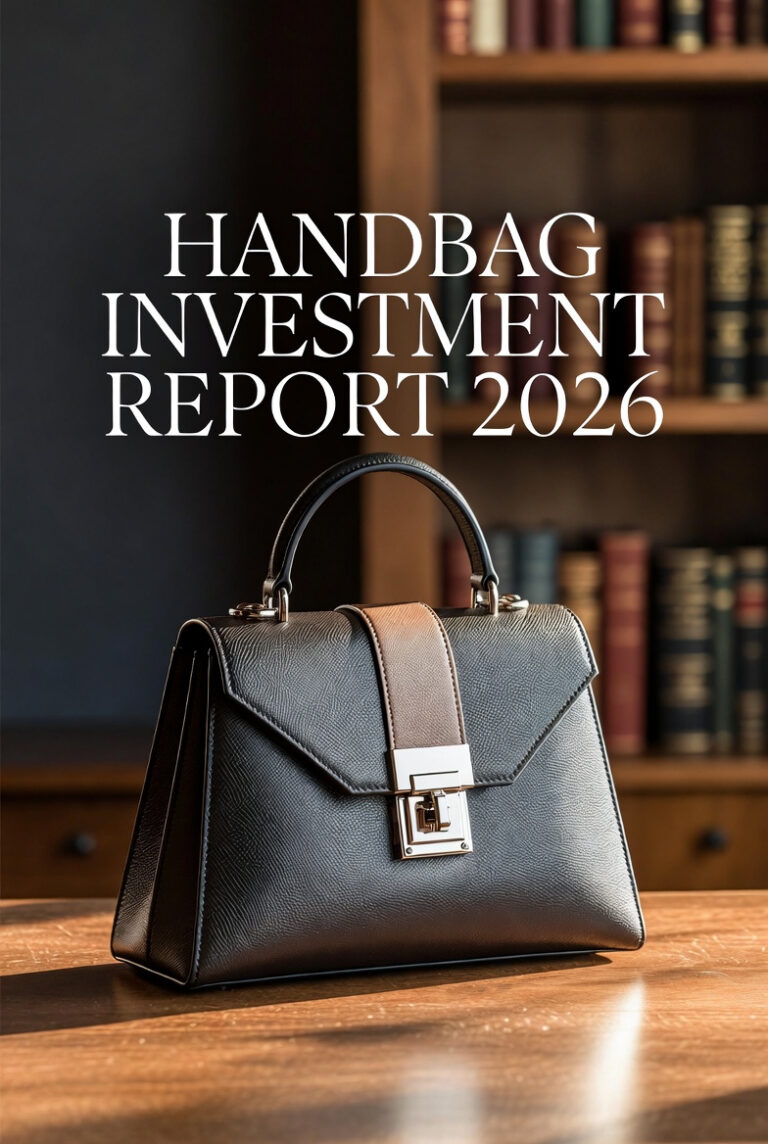
From this shift emerges Guardian Design—a movement redefining contemporary status through protection, discretion, and material intelligence. Within this framework, luxury handbags in 2026 increasingly function as personal architecture: shields against intrusion, both physical and digital.
This is the era of Fortress Luxury. The message evolves from Look at me to Don’t touch this.
“Luxury in 2026 isn’t showing off—it’s locking in.”
From Display to Defense: The Rise of Protective Design
Luxury has always evolved alongside societal shifts. In uncertain times, ornament retreats while structure advances. The silhouettes defining 2026 security-focused designs confirm this rhythm: reinforced seams, recessed hardware, locking mechanisms, and protective linings are no longer niche—they represent aspirational design.
Fortress Luxury emerges not from fear but from discernment. The contemporary consumer isn’t paranoid; they’re informed. And information shapes design.
Section 1: The “Security Flex” — Tactical Elegance in Protective Design
The Aesthetic: When Closure Becomes Design Feature
The most telling runway signal of 2026? The normalization of overt security-inspired design elements. Where protective features once implied compromise, they now communicate intentionality.
Runway observations:
- Valentino’s S/S 2026: Introduced industrial carabiner closures scaled to architectural proportions—functional hardware repositioned as sculptural element
- Miu Miu: Incorporated button-strap locking systems reminiscent of archival travel trunks, invoking heritage as both romance and reassurance
The Geometry of Protection: Across Paris and Milan runways, lock-and-key motifs resurfaced with renewed relevance. Zippers appear recessed. Compartments multiply. Designers increasingly favor diagonal pocket entries—approximately 45° angles that balance accessibility with security-inspired aesthetic.

The Psychology: Protective Design as Statement
Behavioral research describes this phenomenon as visible vigilance—the signaling of value through protective features. Historically, armor functioned as status. In 2026, the handbag represents a contemporary iteration of protective design.
The “Security Flex” communicates: I value what I carry enough to protect it thoughtfully.
Deloitte’s 2026 Luxury Outlook notes increased consumer prioritization of:
- Durability and longevity
- Personal control features
- Emotional satisfaction over performative value
“The handbag evolves beyond accessory—it becomes architectural.”
Design Intelligence in Practice
Within this landscape, thoughtful curation carries weight. Retailers prioritizing structural intelligence over novelty emerge as trusted sources.
Contemporary protective design features:
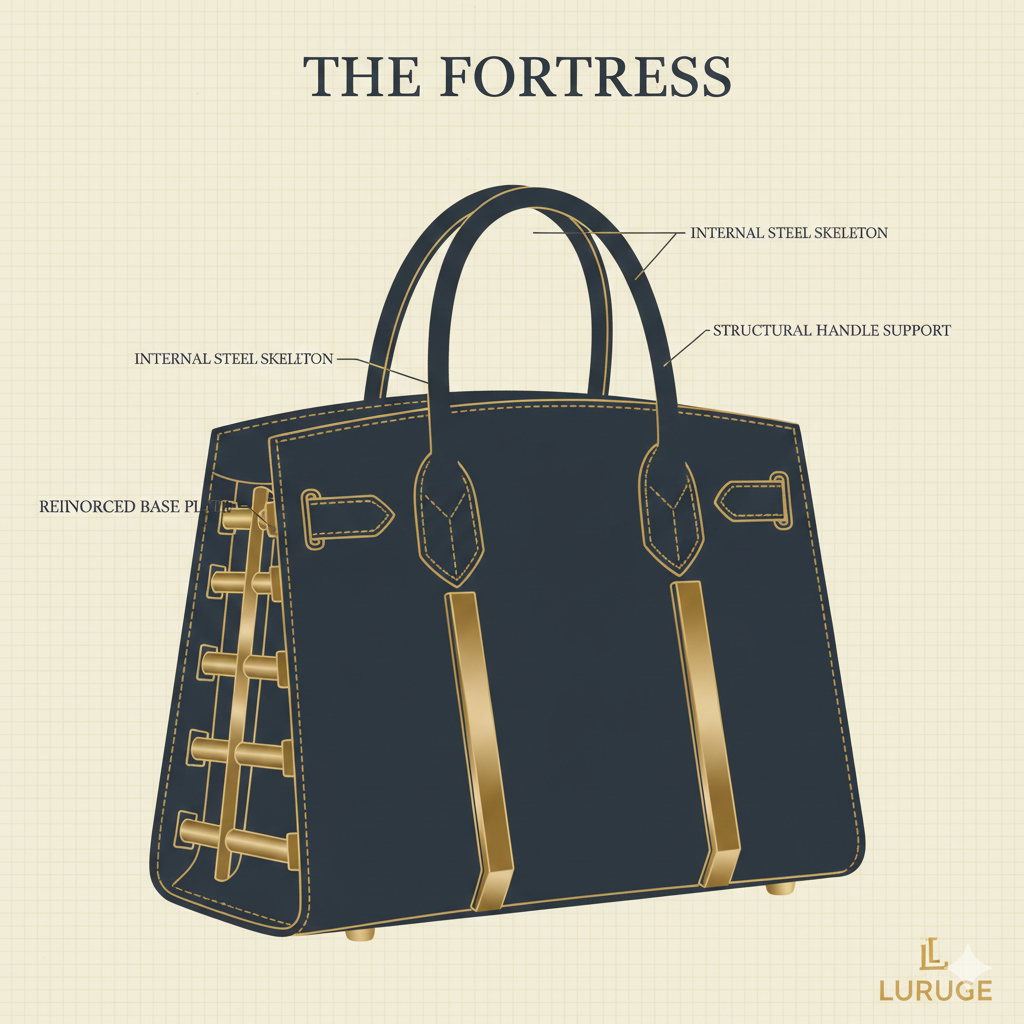
- Reinforcement structures: Internal supports that prevent strap stress under weight
- Recessed closures: Zippers positioned to resist casual access attempts
- Hardware engineering: Clasps designed to redirect force into structural framework
Silhouettes like elongated horizontal designs can incorporate fortified seams and protected zipper tracks without appearing tactical.
Explore our curated selection featuring contemporary protective design elements.
Section 2: Digital Privacy Design — RFID Protection and Data Consciousness
As physical security features normalize, design consideration extends to digital privacy.
The Context: Data Awareness
Ambient digital tracking has introduced subtle but persistent privacy concerns. Contactless payments, biometric IDs, and location services have streamlined life while raising boundary questions. Market research reveals rising interest in RFID-protected accessories and privacy-conscious design.
The Design Solution: Privacy Integration
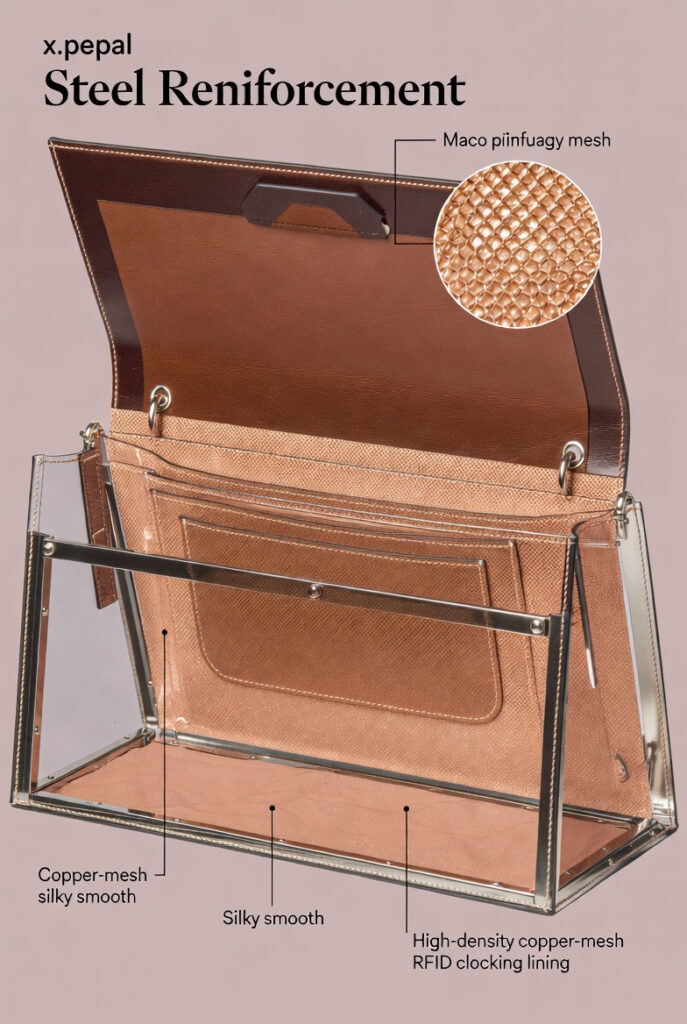
Enter RF-integrated design: the incorporation of RFID-blocking compartments and conductive linings within luxury bags. Privacy as design consideration.
Material Implementation:
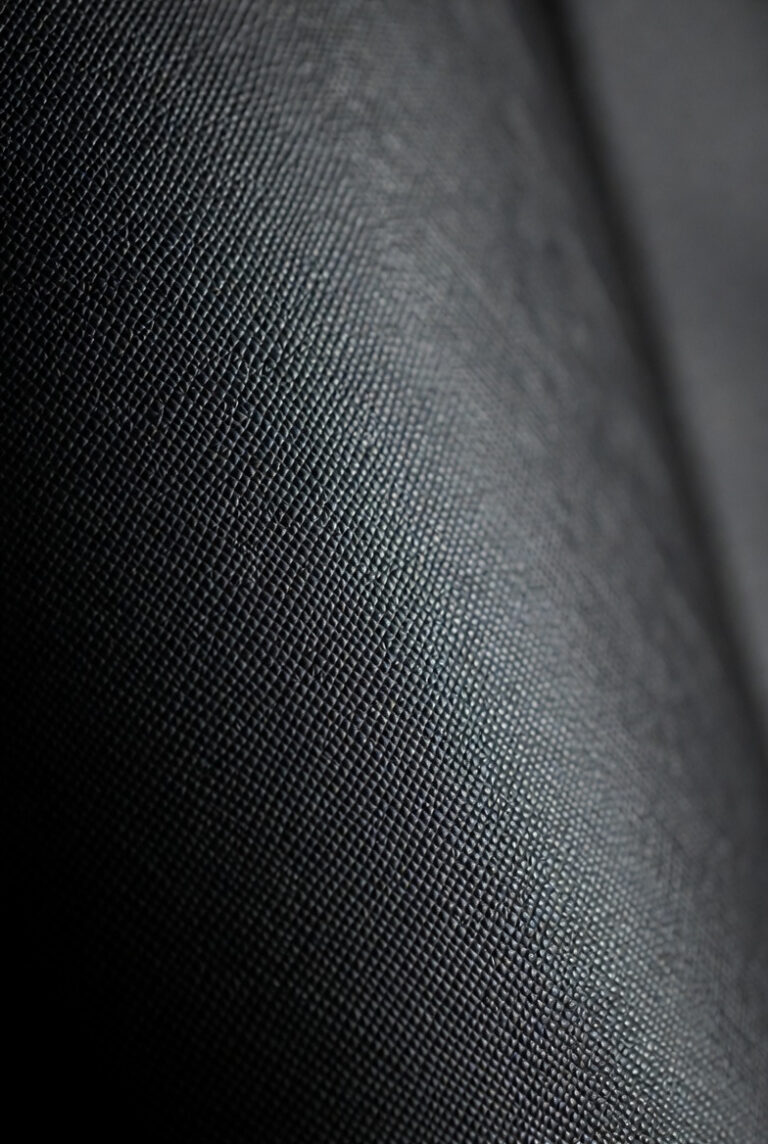
Copper-infused textiles, conductive weaves, and layered treatments create passive shielding without aesthetic disruption.
- The tactile experience: Quality RFID-blocking implementations use copper mesh fine enough to feel like additional lining rather than distinct layer
- The weight profile: Conductive thread woven at subtle density—barely perceptible additional structure
Privacy as Curation Priority
Within evolving privacy-conscious design, we prioritize tech-shielding features and naturally protective materials, positioning privacy consideration as thoughtful design rather than paranoia.
Explore our selection of RFID-protected and digitally discreet designs.
Section 3: Subtle Recognition — Stealth Luxury Evolution
The Behavior: Intentional Discretion
Contemporary luxury increasingly practices intentional subtlety. Overt branding risks oversaturation. The evolving status language favors recognition among informed observers. Logos diminish. Signatures dissolve into texture. Ownership becomes a conversation among those who recognize the references.
The Design Response: Ghost Branding
This shift manifests as Ghost Branding:
- Tone-on-tone emblems
- Hardware-coded identities
- Near-invisible markings
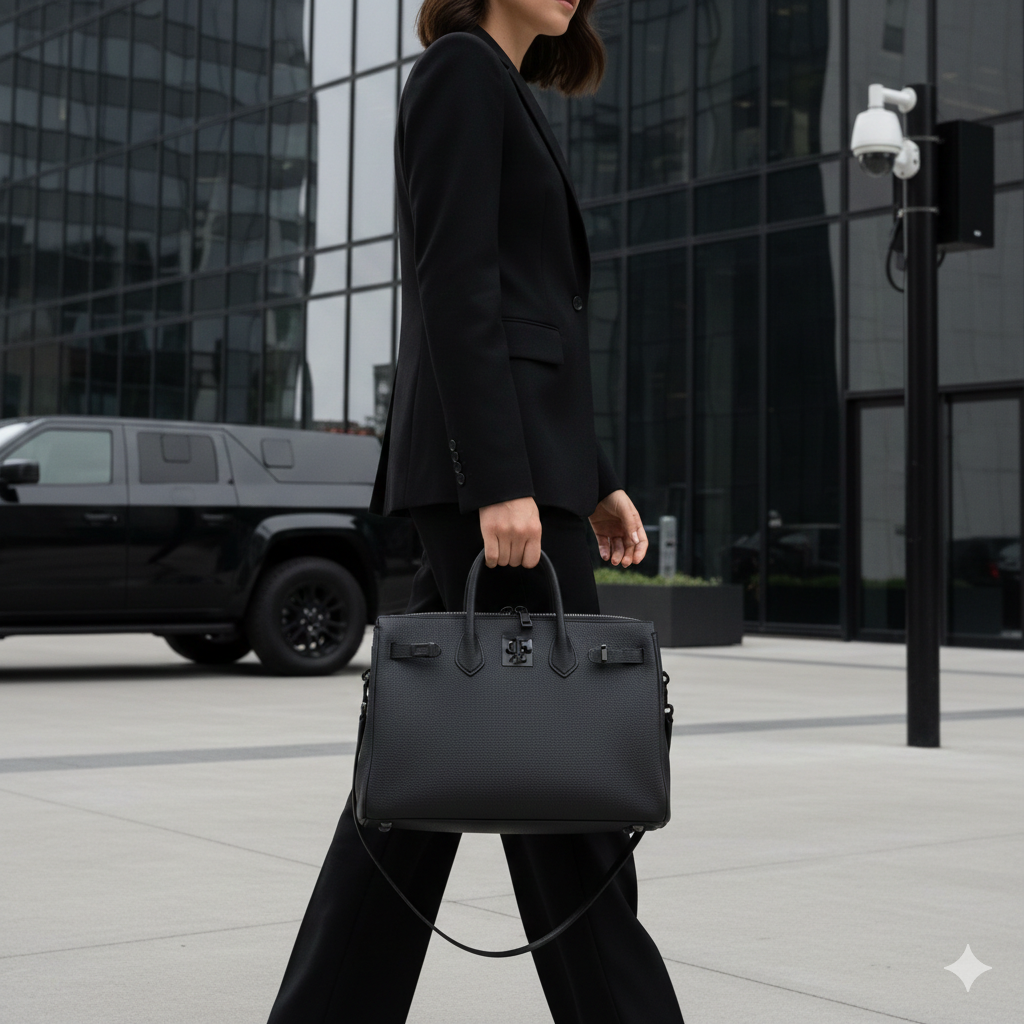
McKinsey’s cultural analysis highlights how recognition-based design intensifies appeal when appreciation requires context. Contemporary luxury thrives on informed recognition rather than broad visibility.
“Contemporary exclusivity involves recognition without explanation.”
Subtle Design Cues
Our collection favors quietly distinctive designs that resonate with informed collectors. Hardware silhouettes, stitching signatures, and archival references replace overt labeling.
Examples of subtle distinction:
- Clasps shaped to reference vintage design language, recognizable to those familiar with archival pieces
- Contrast stitching in tones close to base material, revealing themselves under specific lighting
- Hardware finishes that reference historical luxury craftsmanship
Discover collector-focused silhouettes where discretion defines distinction.
Section 4: Durable Luxury — Performance Materials Meet Heritage
The Aesthetic: Capability Meets Refinement
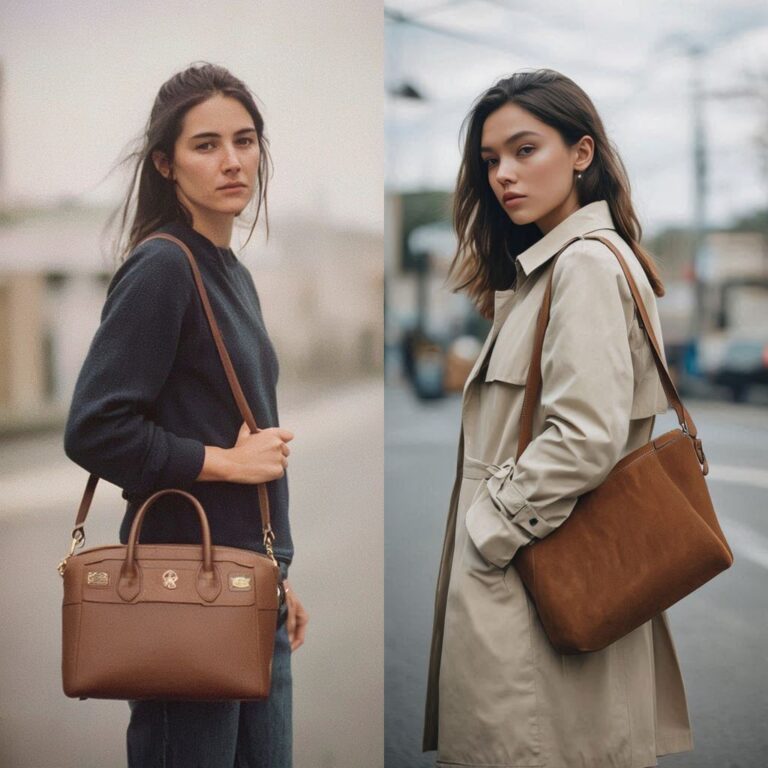
High-performance materials increasingly merge with traditional silhouettes. Treated suedes, technical textiles, and reinforced materials appear in classic bag shapes—bowling bags, barrel bags, structured carryalls.
Business of Fashion’s 2026 Trend Radar identifies hybrid materials as fast-growing segment within luxury accessories.
The Philosophy: Preparedness with Polish
“Functional elegance” captures the mood. Consumers seek pieces adaptable across contexts—from urban environments to varied settings.
“Protection represents contemporary prestige. Luxury increasingly builds personal spaces, not spotlights.” — Design commentators
Material Example: Treated Suede
Our exploration of tobacco suede reflects this convergence of durability and refinement:
Characteristics:
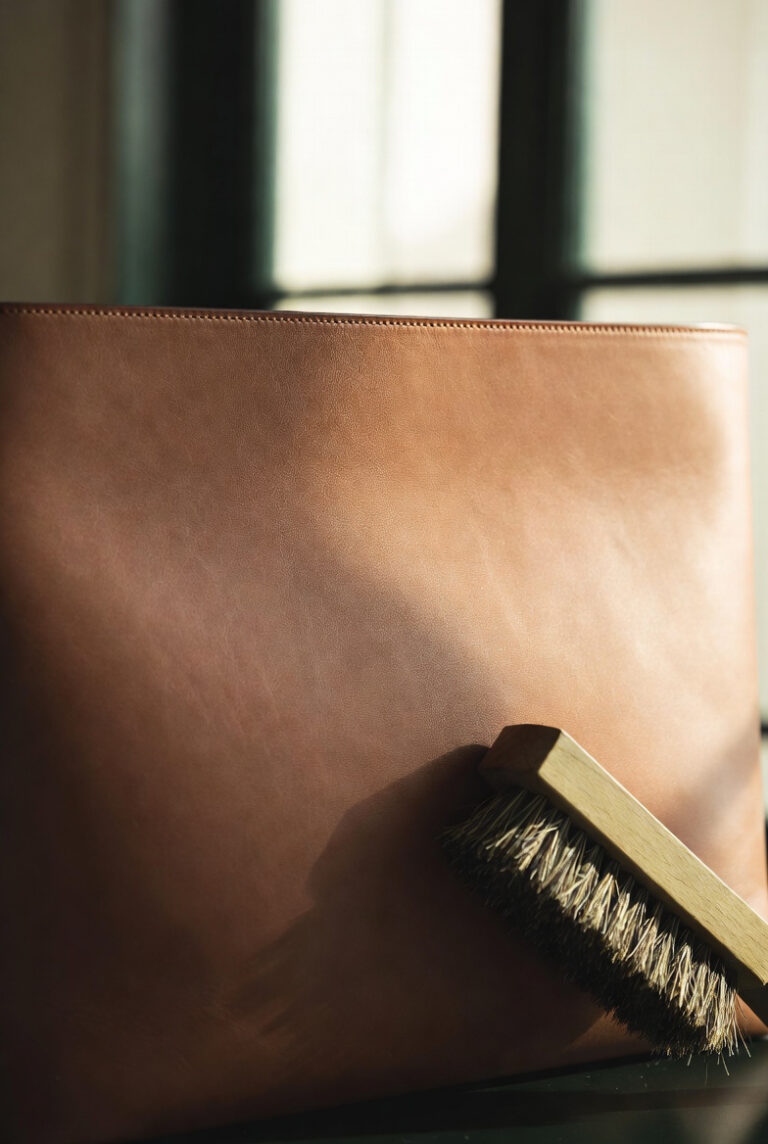
- Treatment: Vegetable-tanned suede with protective wax treatment
- Tactile quality: Dry, substantial hand-feel rather than slick finish
- Performance: Water-resistant properties (water beads temporarily on surface)
- Aging: Develops burnish patina; nap structure distributes stress, resisting the creasing common in smooth leathers
Experience contemporary protective luxury through our 2026 curated selection featuring reinforced design and privacy-conscious features.
Conclusion: The Evolution of Personal Architecture
Guardian Design signals a broader cultural recalibration. In hyper-connected contexts, individuals increasingly value spaces—physical and psychological—that remain under personal control.
The Three Principles of Contemporary Protective Luxury:
| Principle | Focus |
|---|---|
| Protection | Safeguarding belongings through thoughtful design |
| Privacy | Considering digital boundaries through RFID and conductive materials |
| Considered Resilience | Prioritizing longevity, material intelligence, and adaptability |
In 2026, a bag’s luxury increasingly relates not to what it signals about you, but to what it protects for you.
Looking ahead, if 2026 emphasizes fortification, 2027 may explore permeability—objects that defend while remaining functionally open.
Explore the evolution of discretion through our Guardian Design selections.
Key Observations
- “Luxury in 2026 isn’t showing off—it’s locking in.”
- “Privacy represents contemporary design consideration.”
- “The handbag evolves beyond accessory—it becomes architectural.”
Frequently Asked Questions
What is Fortress Luxury?
Fortress Luxury describes the 2026 design trend emphasizing protective features, discretion, and material resilience—blending architectural thinking with privacy-enhancing design elements.
Why is RFID protection trending in luxury bags?
Rising data-privacy awareness has transformed RFID-blocking features into desirable design elements, aligning with broader privacy-conscious movements in contemporary culture.
What defines security-inspired designer bags in 2026?
Recessed closures, locking mechanisms, reinforced construction, and discreet compartments characterize security-inspired designs within the contemporary protective luxury movement.
Where can I find these design features?
Explore our curated 2026 collection featuring pieces that combine contemporary security-inspired design, privacy features, and durable construction.
About This Analysis
The Luruge Editorial Team creates luxury trend analysis through runway observation, design industry monitoring, and consumer behavior research. This piece reflects developments observed during the 2025-2026 fashion season and design evolution. Updated February 2026.
Our Curation Philosophy
At Luruge, we source from BrandsGateway, a verified wholesale luxury distributor. Our curation increasingly emphasizes designs featuring protective elements, privacy-conscious features, and durable materials—not from paranoia, but from recognition that thoughtful design considers contemporary life realities. We select pieces that balance functionality with refined aesthetics.
Post Tags: #2026 Design Trends #Digital Privacy Fashion #Fortress Luxury #Protective Design #Security-Inspired Accessories #Stealth Luxury