Chaos Over Classic: How the “Undone Bag” Became 2026’s Ultimate Flex
Editorial Note: This article provides cultural trend analysis and fashion commentary based on runway observations and design industry developments. Product design discussions reflect our curation philosophy. Individual style preferences and product experiences may vary.
The Glitch, Part II
In 2024, luxury was curated like a museum exhibit. Bags were preserved, not worn. Corners were babied, hardware was polished with microfiber cloths that cost more than dinner, and “quiet luxury” functioned less as an aesthetic than as a behavioral code: invisibility equaled intelligence. The pristine handbag was the ultimate status symbol because it proved restraint, discipline, and access to replacement options.
By Spring/Summer 2026, the glass case has shattered.
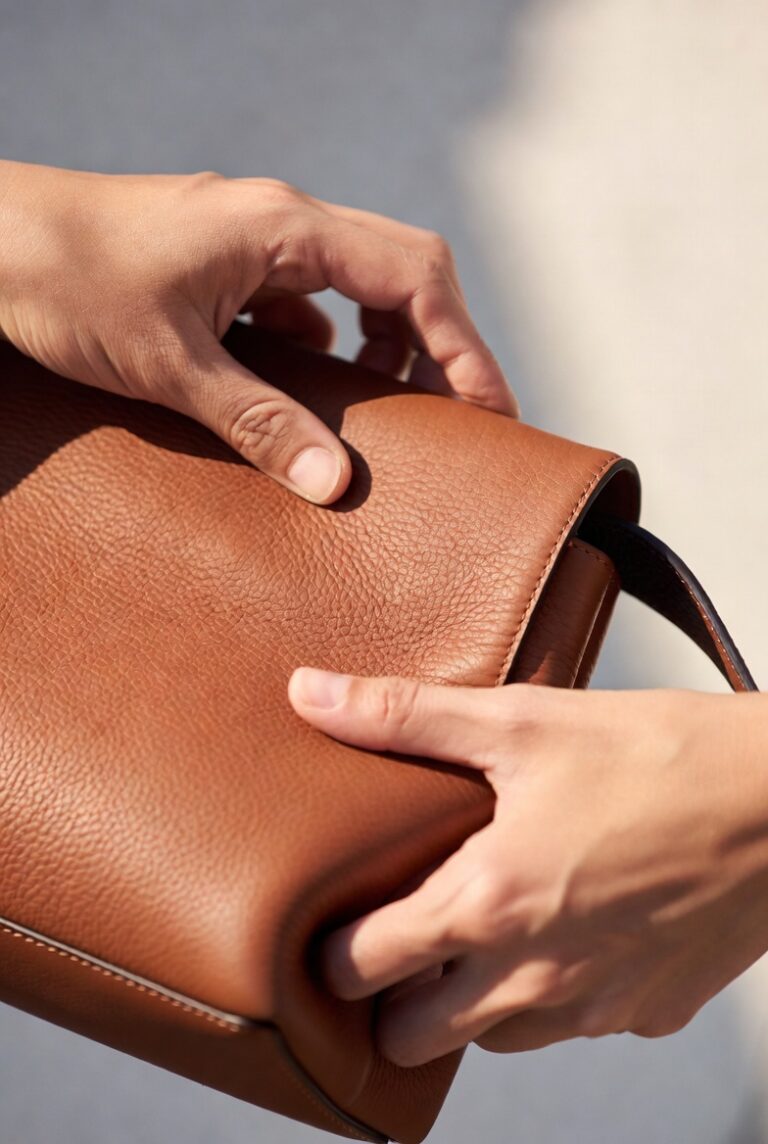
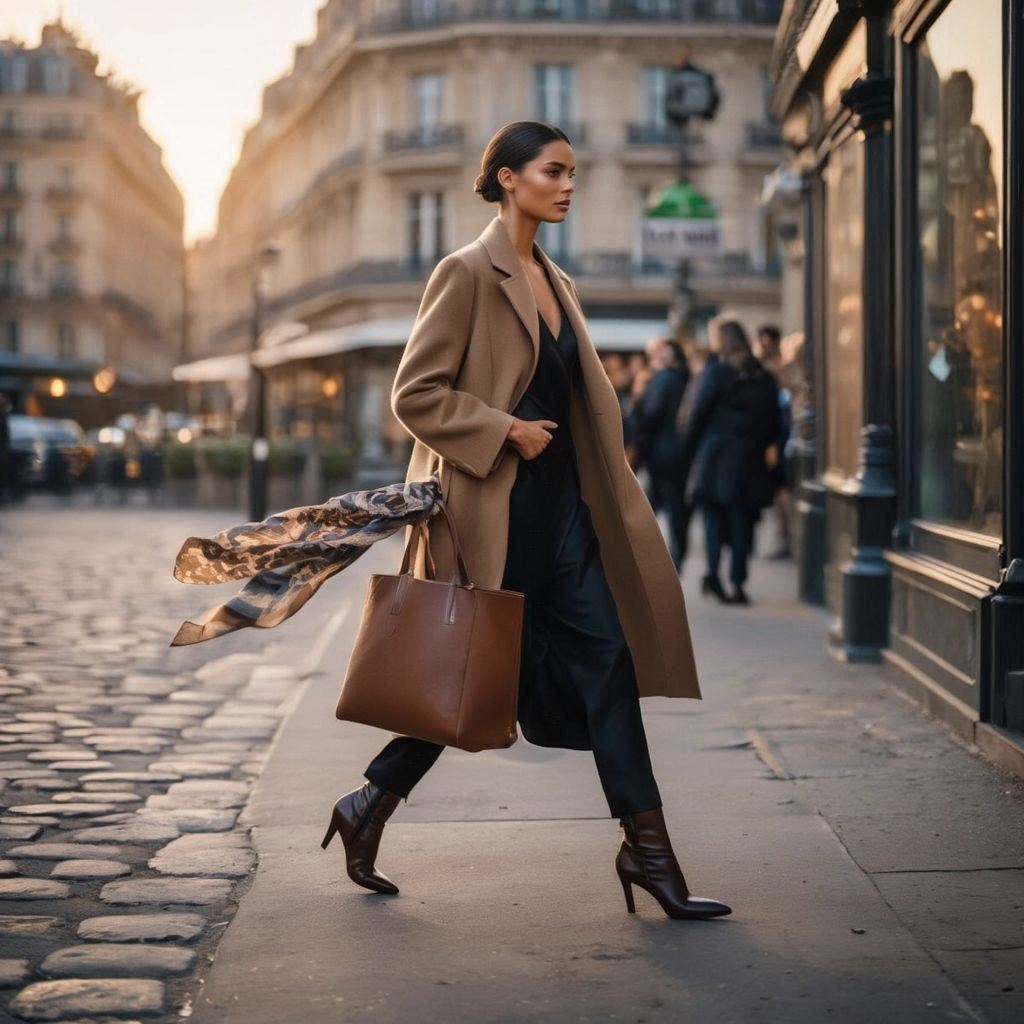
Luxury has shifted from Museum to Lived-In, and nowhere is this more visible than in the rise of the “Undone Bag”—a category defined by architectural nonchalance, engineered patina, exposed interiors, and calculated asymmetry. The cultural reference point? The Jane Birkin Effect, not as nostalgia but as structural evolution. Jane’s bag was never precious; it was dynamic. Stickers, receipts, keys, life—it accumulated meaning through friction. In 2026, brands have industrialized that friction.
The cultural shift is this: perfection now reads as detachment. A bag that looks untouched suggests distance from daily life. A bag that looks lived with signals engagement, agency, and confidence. Collectors who once sought pristine condition are now drawn to evidence of use, or at least the aesthetic suggestion of it.
Enter the season’s defining mood: The Pickpocket’s Dream.
Section 1: The “Undone” Architecture
Industrialized Friction vs. Organic Development
Luxury’s newest tension is what observers call manufactured authenticity—products that simulate the appearance of use without requiring time. Yet for S/S26, influential houses have embraced manufacturing wear patterns, albeit with unprecedented technical sophistication.
The philosophical question isn’t whether wear should exist; it’s who authors it.
Miu Miu’s “On Cloud Nine” Patina: A Study in Simulated History
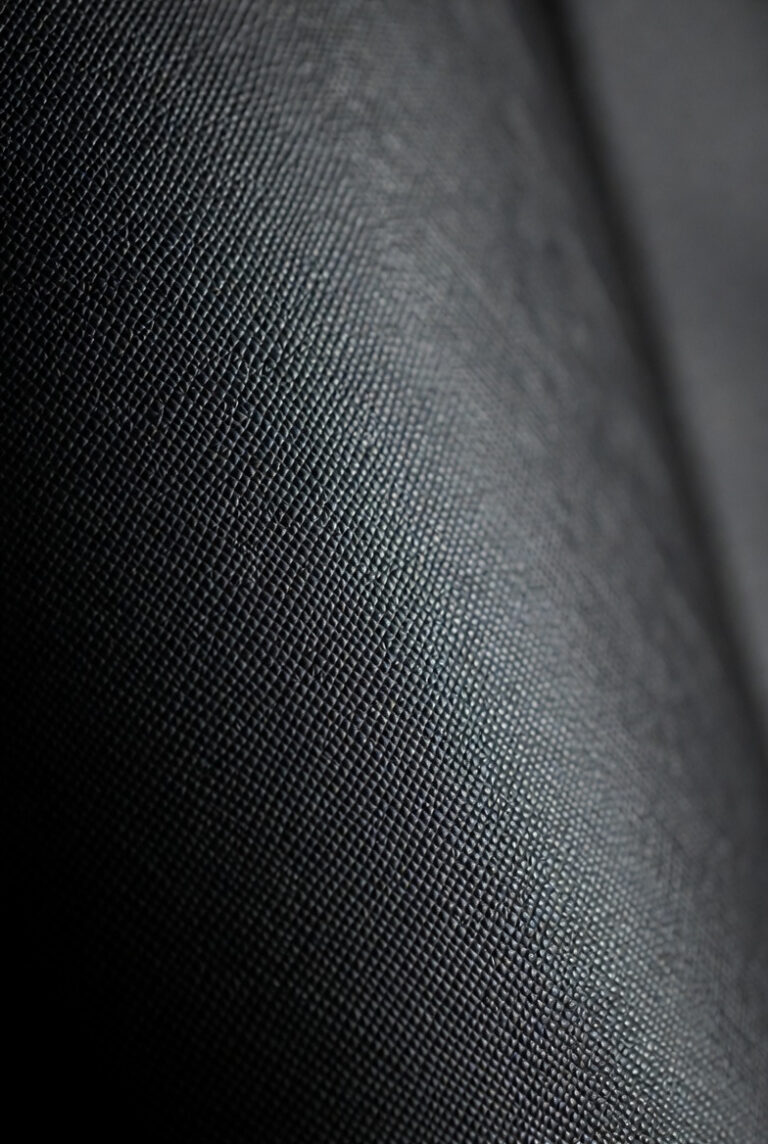
Miu Miu’s S/S26 leather program introduced a finish industry insiders call On Cloud Nine: calfskin that arrives pre-marked, with micro-abrasions placed at high-contact zones—the base corners, handle apex, and zipper pull perimeter. Industry reports suggest the abrasion pattern follows predictive models of typical interaction patterns.
This represents industrialized aesthetic aging—choreography presented as spontaneity. The result is leather that appears emotionally broken-in from day one.
The Authentication Question: If a bag arrives with marks, how do authentication services distinguish factory treatment from post-purchase damage? This creates what some secondary market observers call provenance ambiguity. From a collecting perspective, engineered wear compresses the ownership narrative—buyers cannot demonstrate stewardship if the object already appears handled.
Chanel’s 2.55 “Crumple”: Physics as Design Language
Under Matthieu Blazy’s direction, Chanel’s 2026 reinterpretation of the 2.55—dubbed the Crumple—pushes the Undone narrative into material engineering. A metal-wire substructure embedded within the leather frame allows the bag to hold a permanent “ajar” opening. It exists neither fully closed nor open, but suspended in a state of perpetual suggestion.
This represents design that requires active engagement. By shifting the center of gravity forward, the bag naturally collapses into a slouch when set down. The wearer must interact with it consciously or accept the altered silhouette. Ownership becomes participatory rather than passive.
The Alternative Approach: Materials That Develop Authentic Character
Against this backdrop of manufactured aging, an alternative design philosophy emphasizes materials that genuinely evolve through use.
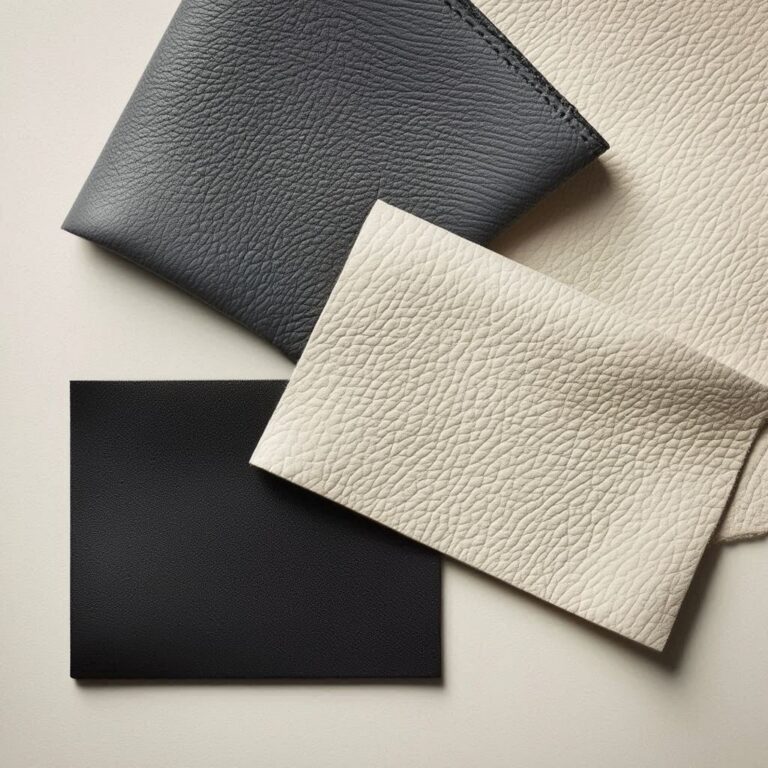
High-grade tobacco suede exemplifies what might be called organic development. Unlike coated leathers that resist marking or pre-treated finishes that arrive with simulated history, quality suede absorbs environmental information—light, pressure, natural oils—creating patina uniquely mapped to individual use patterns.
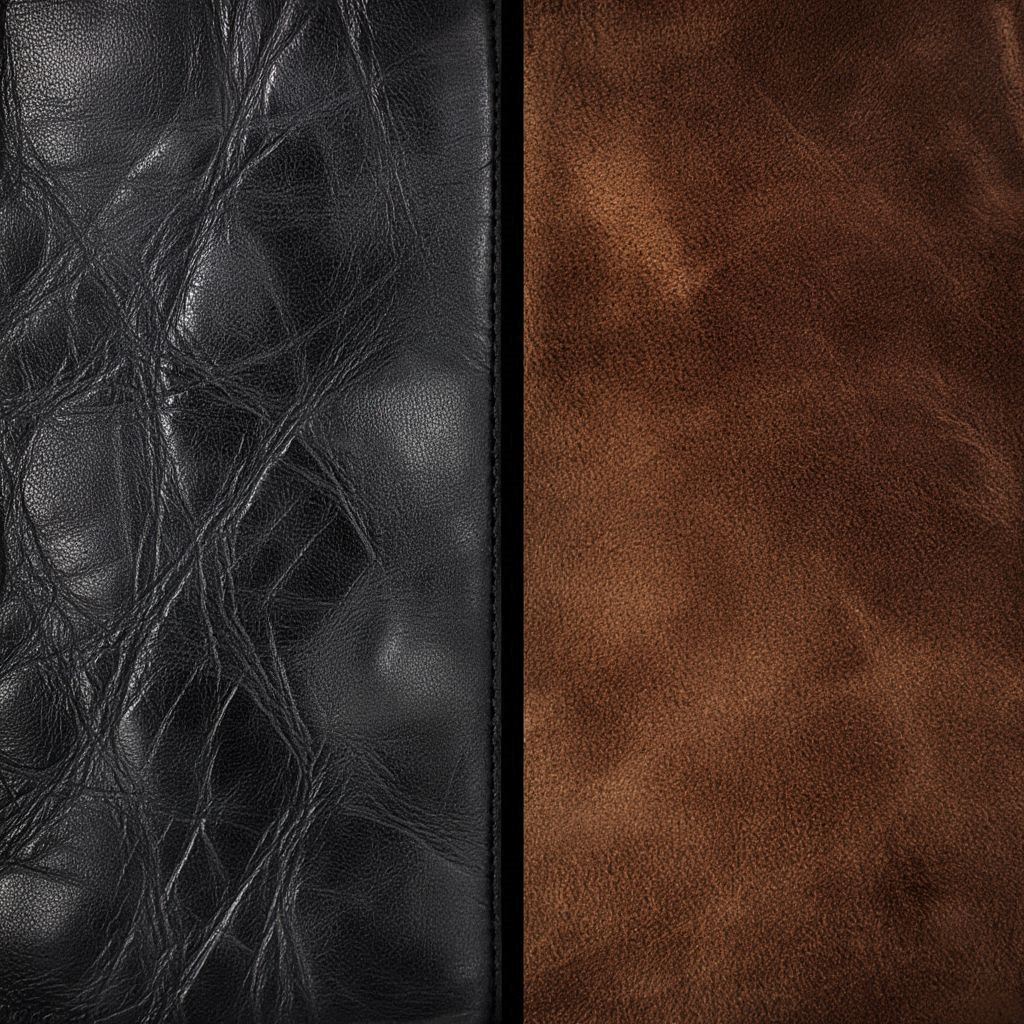
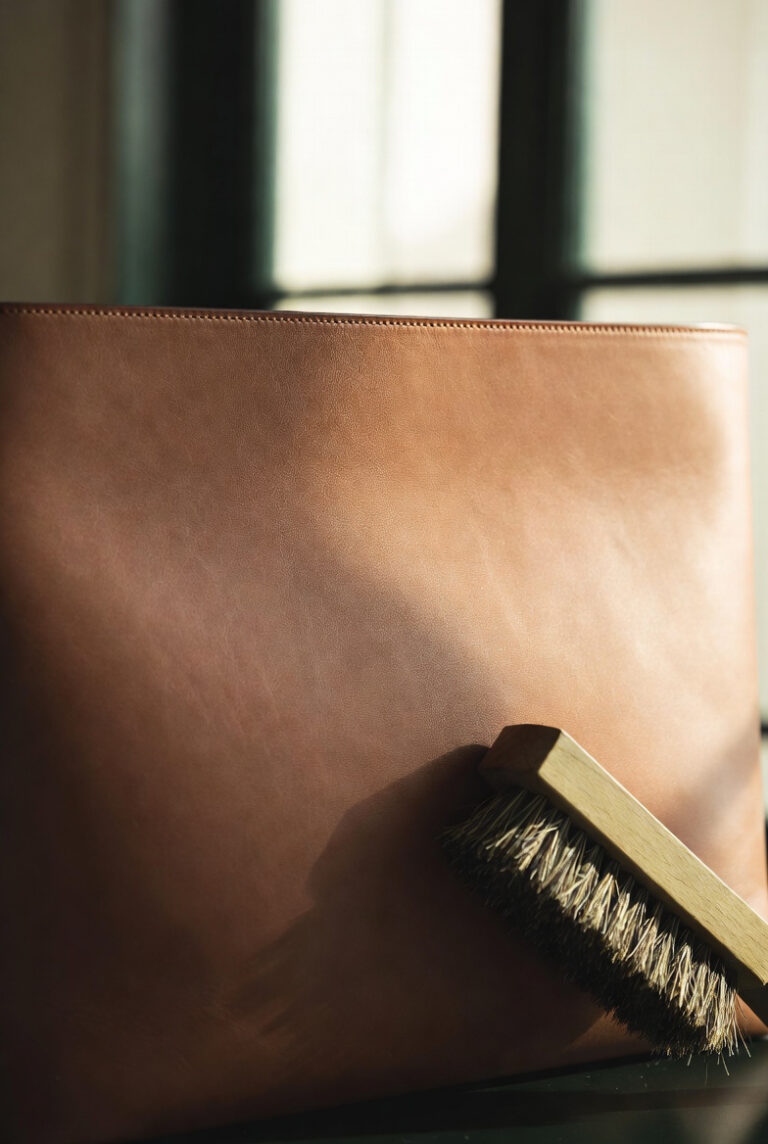
From a materials perspective, suede’s open fiber structure ensures gradual tonal variation rather than abrupt marking. Over months of consistent use, color depth shifts subtly, producing patterns no factory process can replicate. Wear emerges organically—hand placement patterns, uneven fading from light exposure, the trace signature of daily ritual.
This distinction matters to collectors who value material authenticity.
Section 2: The “Pickpocket’s Dream” Styling
Open Bags as Cultural Signal
On S/S26 runways, bags weren’t merely carried open—they were staged as accessible systems. Fendi’s Peekaboo appeared with flaps deliberately misaligned, interiors visible. Loewe models walked with totes unzipped, contents casually exposed.
At surface level, the aesthetic evokes vulnerability. Through a cultural lens, it communicates differently—a particular form of confidence that prioritizes engagement over vigilance.
The layered implication:
- Security comes from awareness, not barriers
- Attention focuses on experience, not possessions
- Material loss, if it occurs, doesn’t define status
The Design Intelligence: Visible Access, Hidden Security
But beneath the casual aesthetic lies thoughtful engineering. Contemporary luxury design doesn’t abandon protection—it integrates it subtly.
Interior architecture with deeper compartments positioned at angles ensures essential items settle below the visible threshold while remaining accessible. Consider modern smartphone dimensions (approximately 163mm length). Diagonal interior sleeves prevent vertical protrusion while allowing natural retrieval motion.
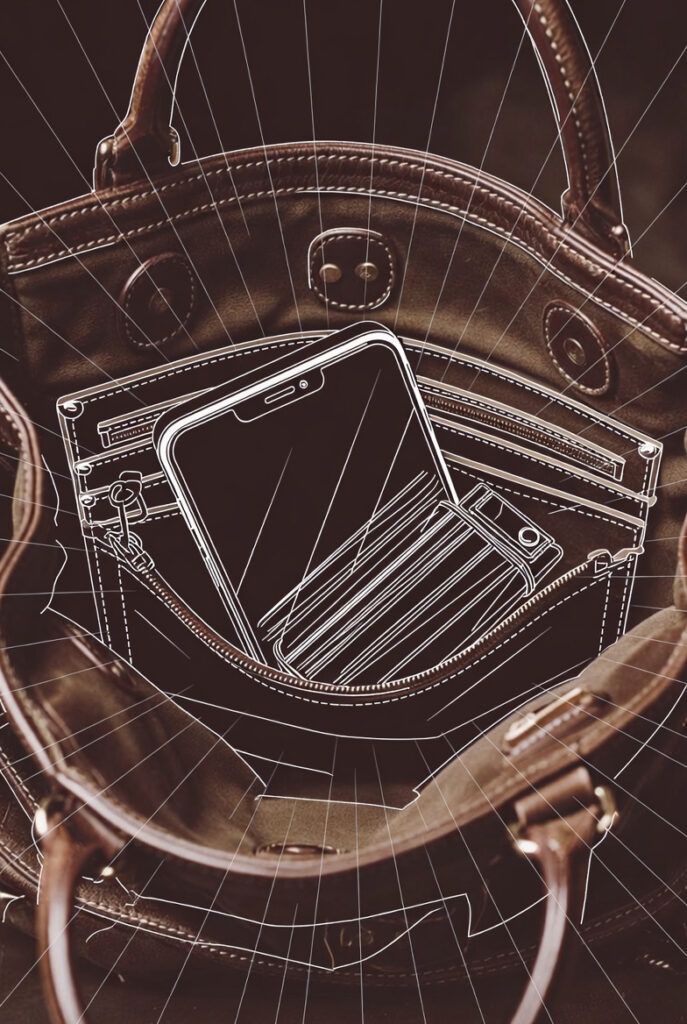
From the exterior, the bag reads relaxed; from the interior, it’s organized. This represents what designers call integrated functionality—styling that communicates ease without sacrificing practical intelligence.
Section 3: The Return of the “One-Handle Wonder”
Intentional Carry as Statement
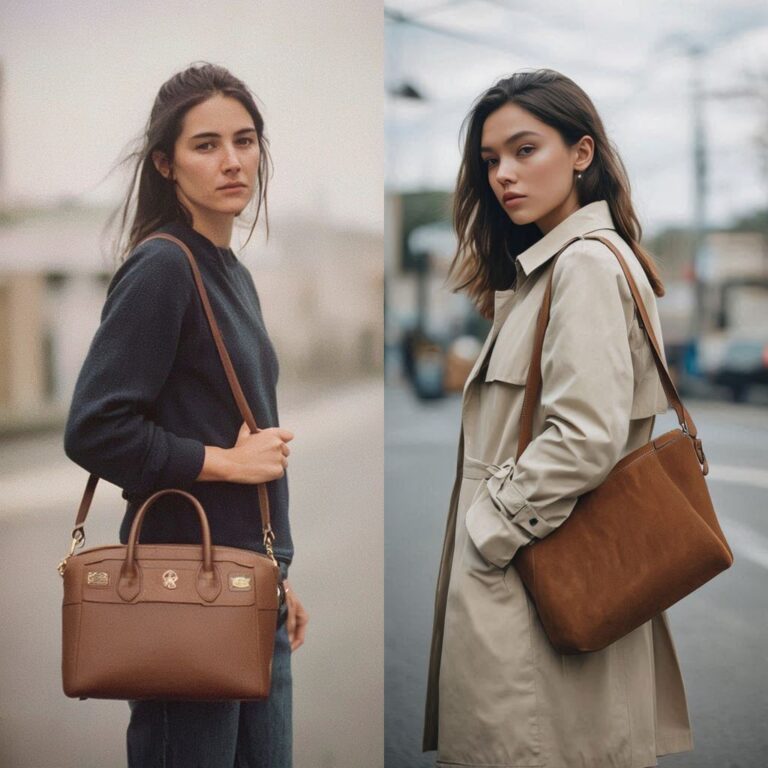
One-handle bags have returned with renewed design focus. Loewe, Dior, and Tod’s all introduced silhouettes that prioritize visual composition over ergonomic optimization. Carrying these bags requires conscious engagement; they resist mindless slinging. This represents luxury as active choice—each movement becomes a small performance of awareness.
The Handle Drop Engineering
The design detail lies in what studios call the Handle Drop Ratio. For a one-handle bag to achieve the ideal slouch, industry practice suggests drops measuring at least 22cm. This allows for natural tilt—precisely the angle required to clear coat sleeves without disrupting the bag’s center of gravity.
This micro-adjustment transforms what appears casual into controlled design. Where mass-market design optimizes for ease, contemporary luxury increasingly optimizes for intentionality.
Section 4: “Charms & Chaos”—The Maximalist Pile-On
The Return of Personalization
Minimalism has ceded ground to individual expression. Fendi’s beaded cages and Chloé’s ornamental trinkets illustrate a collective desire to transform bags into narrative devices. The bag evolves into a mobile archive, a wearable index of personal experience.
The Structural Challenge: Supporting Ornamentation
Most bag designs struggle under excessive ornamentation weight. Hardware stress points can fail. Leather may warp.
Contemporary design solutions focus on load distribution. By extending horizontal proportions, some silhouettes redistribute ornament weight across wider surface areas. Reinforced attachment points positioned at structural zones integrate ornamentation into the bag’s frame system rather than treating it as added burden.
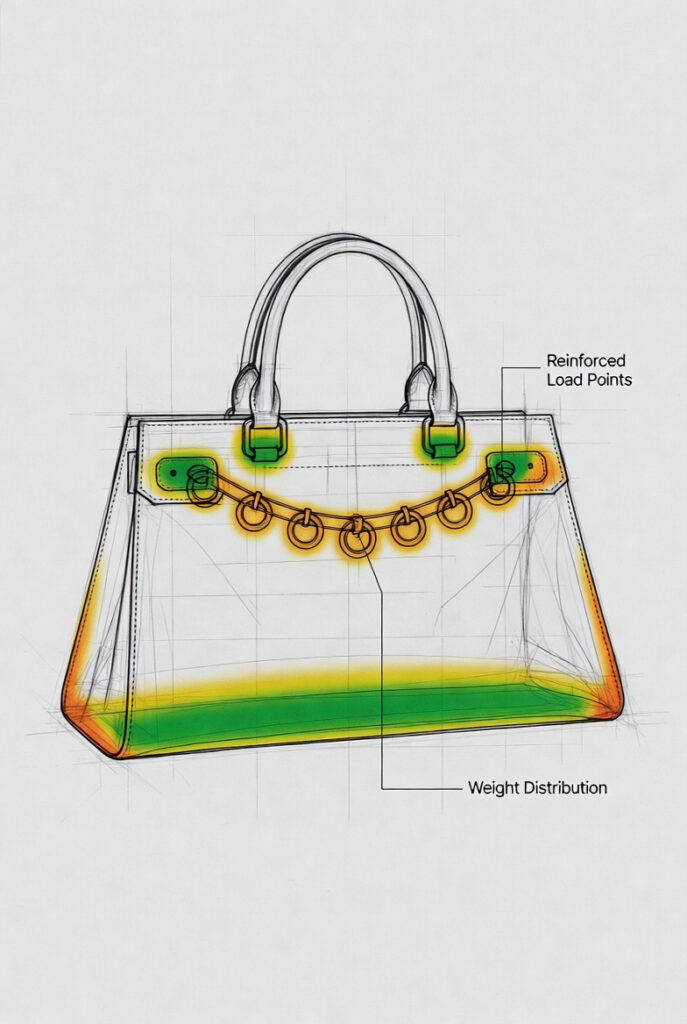
This represents engineering that anticipates personalization rather than merely tolerating it.
Conclusion: The Evolution Beyond Pristine
Perfection, once the definitive luxury signal, now communicates differently in contemporary culture. In 2026, many collectors seek participation over pure preservation.
The Undone Bag represents a philosophical evolution. It acknowledges that meaning accrues not only through rarity or craftsmanship but through lived experience and personal narrative.
Contemporary luxury increasingly values authentic material development over simulated aging. The distinction between factory-applied patina and organically earned character matters to collectors who view bags as evolving companions rather than static objects.
The relevant question for 2026 collectors isn’t solely “how do I protect this?”—it’s “whose story does this tell?” If the answer is “the factory’s” rather than yours, the relationship feels incomplete.
True luxury in 2026 embraces honest collaboration with time.
Explore Materials That Develop Authentic Character
Our curated collection emphasizes materials that genuinely evolve through use, creating patina unique to each owner’s experience.
About This Analysis
The Luruge Editorial Team creates fashion cultural commentary through runway observation, design industry analysis, and material evaluation. This piece reflects trends observed during the 2025-2026 fashion season. Updated February 2026.
Our Design Philosophy
At Luruge, we source from BrandsGateway, a verified wholesale luxury distributor. Our curation prioritizes materials that develop authentic character through use rather than simulating pre-aged aesthetics. We value design that invites genuine collaboration between owner and object.
Post Tags: #2026 Fashion Trends #Luxury Bag Styling #Material Authenticity #Undone Aesthetic #Contemporary Luxury