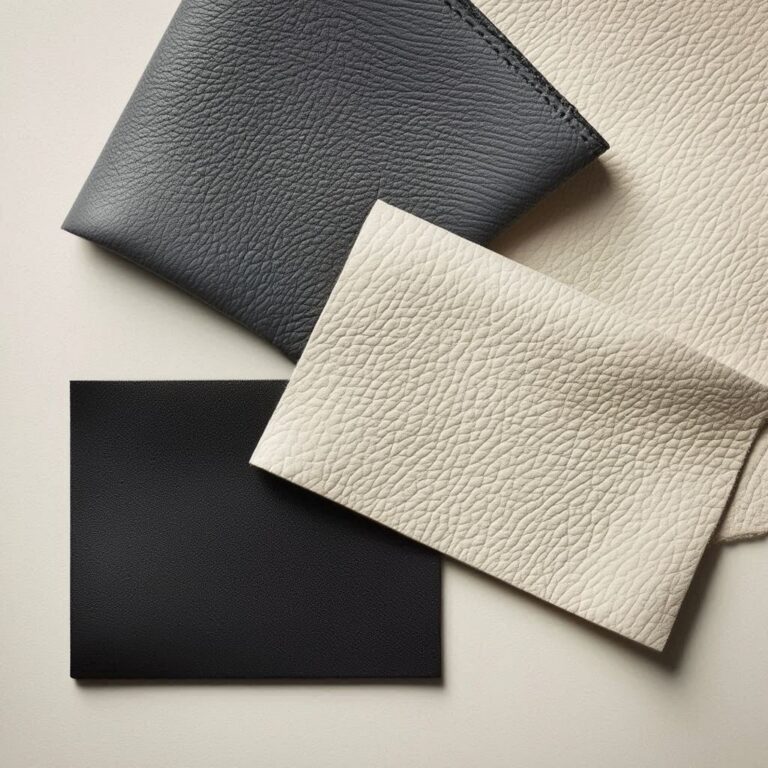
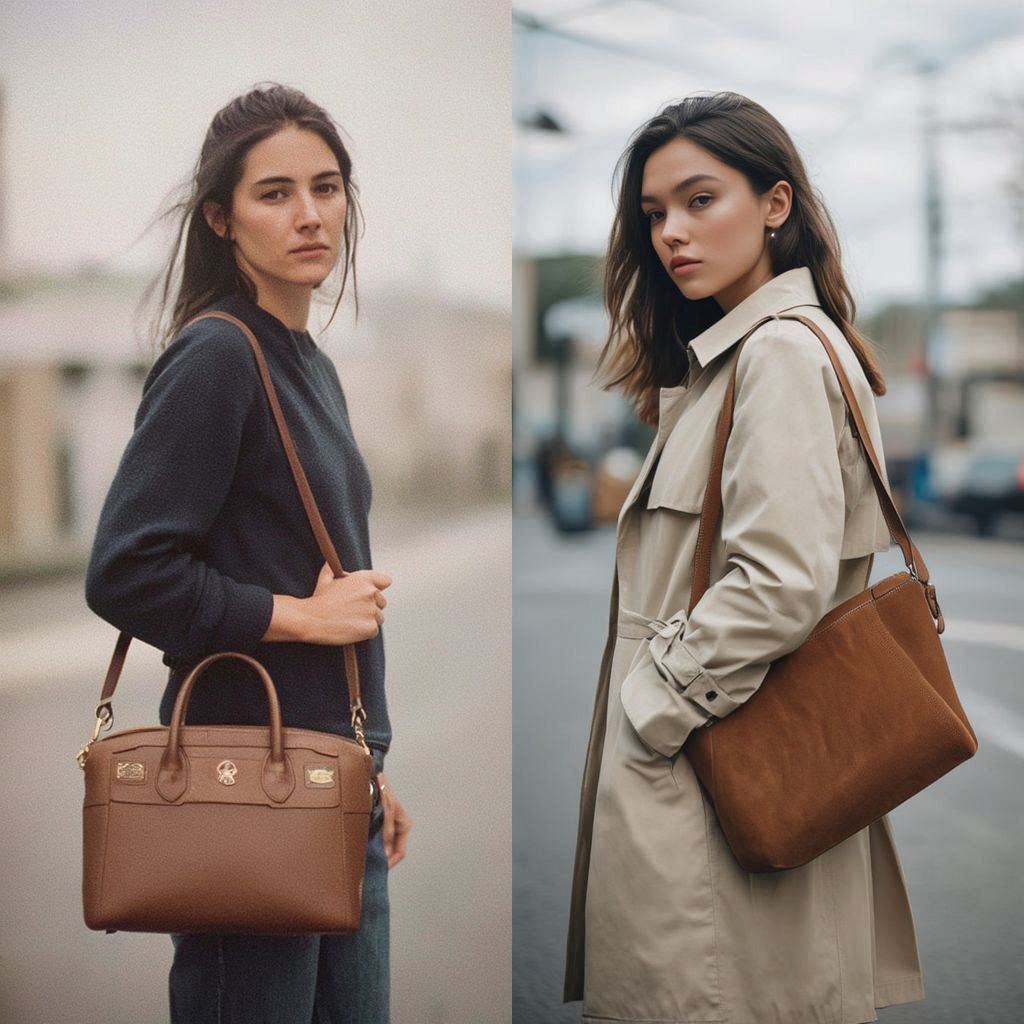
The 20-Year Glitch: Why the 2026 “Archival Revival” Is Reshaping Luxury
Editorial Note: This article provides cultural trend analysis and fashion market commentary based on industry observations and publicly available resale data. It is not financial or investment advice. References to market performance reflect documented trends from resale platforms but do not constitute predictions or guarantees. Luruge is a curated marketplace sourcing from verified wholesale suppliers. Individual purchasing decisions should be based on personal preference and independent research.
There is a theory quietly circulating among collectors, auction houses, and design studios alike: every 20 years, luxury experiences a cultural “glitch.” A moment when nostalgia aligns with economic pragmatism and aesthetic fatigue—causing the past to feel not only emotionally resonant, but practically compelling.
In 2026, that glitch has arrived with precision.
What Is the 20-Year Glitch?
The 20-Year Glitch describes a cyclical pattern in luxury markets where designs from approximately two decades prior re-emerge as both culturally relevant and commercially significant. This phenomenon occurs when nostalgia, proven design, and shifting consumer priorities converge—making archival designer bags from 2005-2006 particularly compelling to 2026 collectors.
The Archival Revival is no longer driven by sentiment alone. It has matured into a considered buying philosophy—one influencing how collectors evaluate vintage pieces, how brands approach reissues, and how resale markets assess long-term appeal. What began as Y2K fascination has evolved into a measurable shift in collector behavior, where heritage silhouettes demonstrate renewed market interest.
Today’s collector is no longer only asking, “Is this fashionable?” They are asking, “Will this silhouette still resonate in 2046?”
And increasingly, the answer references the past.
The Return of the Heavyweights
When Chemena Kamali announced the Chloé Paddington 2026 relaunch, the industry response wasn’t framed as nostalgia—it was framed as restoration. That distinction is critical.
The original Paddington defined mid-2000s luxury: substantial proportions, visible hardware, and the unmistakable signature padlock resting against thick grained leather. In its era, it symbolized democratic exclusivity—a bag recognizable enough to communicate status without explanation.
What makes its 2026 return notable is not memory alone. It’s validation of enduring design.
The relaunch is positioned at approximately $2,750, creating an accessible entry point for collectors seeking archival aesthetic without crossing the $5,000+ threshold now associated with Chanel and Hermès. This pricing strategy reframes the Paddington not as trend revival, but as considered acquisition.
Parallel momentum surrounds the Balenciaga Le City, whose resale platform activity has surged 231.5% over the past two years according to market tracking data. Once categorized as an “It-Bag” of paparazzi culture, it has evolved into collectible permanence. Its soft structure, whipstitch detailing, and lightweight construction align with what modern buyers recognize as design intelligence rather than trend excess.
From Fashion Objects to Enduring Designs
The transformation from seasonal piece to lasting relevance occurs when several factors converge:
- Cultural Recognition – The silhouette becomes cross-generationally identifiable
- Material Longevity – Construction survives decades without significant deterioration
- Supply Scarcity – Original models in strong condition become increasingly rare
Both the Paddington and Le City now demonstrate these characteristics.
In 2005, these bags symbolized immediacy. In 2026, they represent considered selection.
Collectors who once pursued novelty now seek permanence. Archival silhouettes offer something new releases cannot: documented proof of aesthetic endurance.
The “Tech-Fit” Gap
Yet even the most beloved Y2K icons face a modern challenge: they were never designed for 2026 technology.
In the early 2000s, the average phone measured under 120mm in height. Today, the iPhone 17 Pro Max stands at 163.4mm tall, before factoring in protective casing. Add wireless earbuds, portable chargers, e-readers, and digital wallets, and the dimensional assumptions of 2005 bags begin to show limitations.
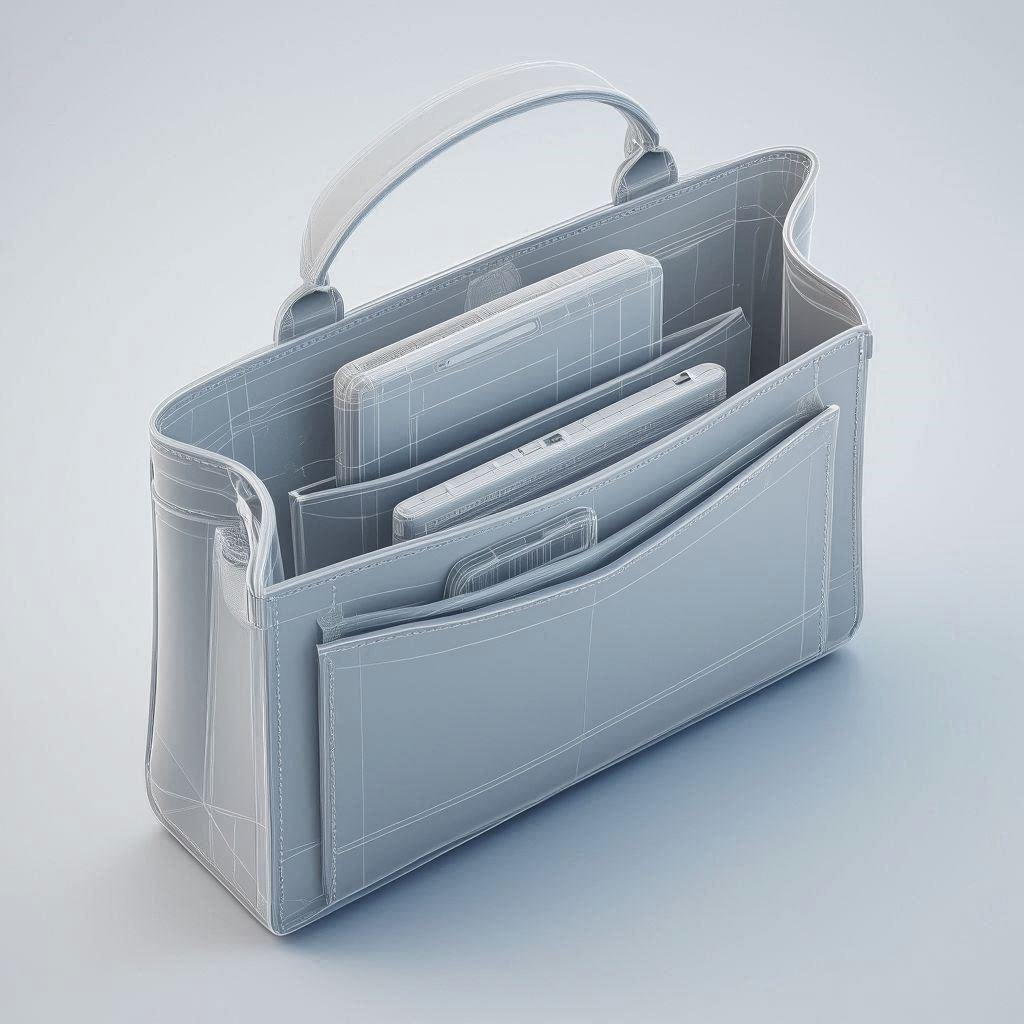
This has created what collectors now call the Tech-Fit Gap—where cherished archival shapes lack compatibility with modern essentials.
Common friction points include:
- Narrow zip openings limiting phone access
- Shallow base widths causing unstable stacking
- Strap placements that unevenly distribute heavier device weight
- Interior linings not optimized for screen protection
Stealth Engineering in 2026 Reissues
Luxury houses in 2026 have responded with a subtle strategy: stealth engineering.
Externally, bags appear unchanged. Internally, the architecture evolves:
- Slightly expanded base panels
- Reinforced stitching at stress points
- Microfiber linings that reduce screen abrasion
- Repositioned strap anchors for ergonomic balance
This is evident in the Chloé Paddington 2026 relaunch, where the silhouette remains faithful while interior proportions accommodate contemporary devices.
Collectors benefit from familiar aesthetics without sacrificing practicality.
The Intentionality of Contemporary Design
While heritage brands retrofit legacy patterns to meet modern needs, a different approach has emerged from studios unencumbered by archival obligations.
Contemporary collections like Luruge’s “Horizons” exemplify what design strategists call architectural foresight—drafting silhouettes around current realities rather than adapting historical forms.
The design approach becomes evident in details:
- Base dimensions calculated for devices exceeding 160mm
- Strap anchor placement optimized for ergonomic balance
- Interior materials selected for longevity and device compatibility
- Proportions engineered to develop graceful patina
This represents an inversion of traditional design hierarchy. Rather than nostalgia informing function, function informs what may eventually become heritage.
Curator’s Perspective: For collectors transitioning beyond Y2K reissues, contemporary interpretations of proven silhouettes offer immediate functionality while building toward future collectibility. These pieces aren’t designed to reference the past—they’re designed with the potential to become it.
Design Physics: Why Shape Influences Market Performance
Collectors often emphasize brand prestige or rarity when evaluating long-term appeal. Yet one often-overlooked factor consistently influences sustained market interest: structural design.
Specifically, according to resale platform data, horizontal or East-West silhouettes tend to retain market interest more reliably than vertical totes. The reason appears mechanical, not purely aesthetic.
Weight Distribution and Structural Integrity
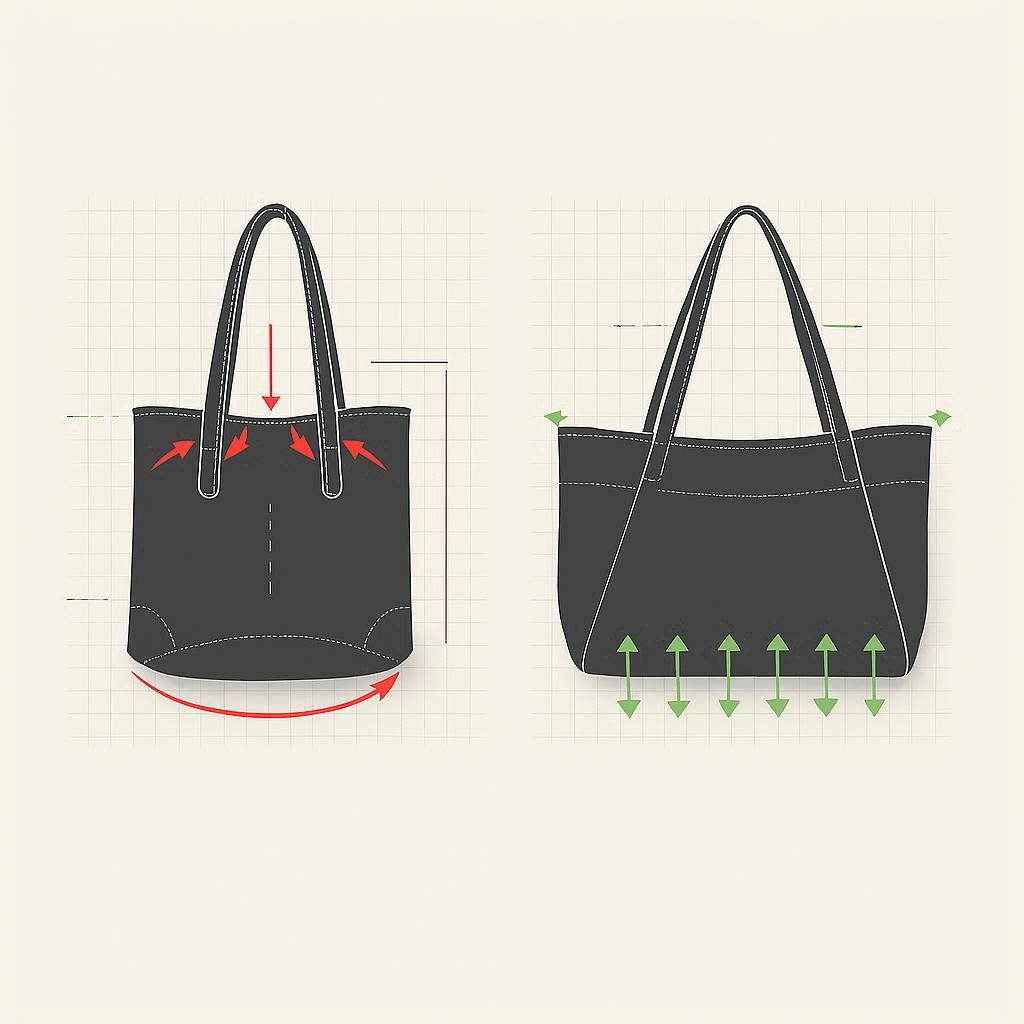
Every carried bag experiences gravitational stress. The direction of that stress influences how materials age.
East-West Designs:
- Even weight distribution across wider base
- Reduced pressure on handle anchors
- Slower leather stretching patterns
- Greater shape retention over time
Vertical Totes:
- Downward weight concentration
- Accelerated seam tension
- Faster corner wear patterns
- Increased base sagging tendency
These micro-stress patterns compound over time. Market data suggests collectors recognize this, which may explain why horizontal silhouettes demonstrate consistent resale demand.
The Balenciaga Le City benefits from this principle. Its elongated frame diffuses weight efficiently, allowing leather to soften while maintaining structural integrity.
Geometry, in this context, influences market behavior.
The “Beat-Up” Aesthetic: Character Through Wear
One defining visual shift in 2026 luxury is the embrace of intentional patina.
Where pristine condition once exclusively defined value, collectors now appreciate evidence of use—provided the aging appears organic and harmonious. This philosophy traces back to Jane Birkin, whose famously worn bags communicated authenticity rather than neglect.
Today, this approach has evolved into what artisans call emotional durability.
Tobacco Suede Patina as Aesthetic Evolution
Few materials illustrate this shift more powerfully than tobacco suede.
Over time, quality suede develops:
- Deepened tones in high-touch zones
- Softened texture
- Natural sheen from oils
- Edge burnishing that enhances dimensionality
Collectors increasingly interpret these changes as proof of companionship rather than depreciation. Well-aged suede suggests a narrative accumulated.
The Rise of Silver Accents
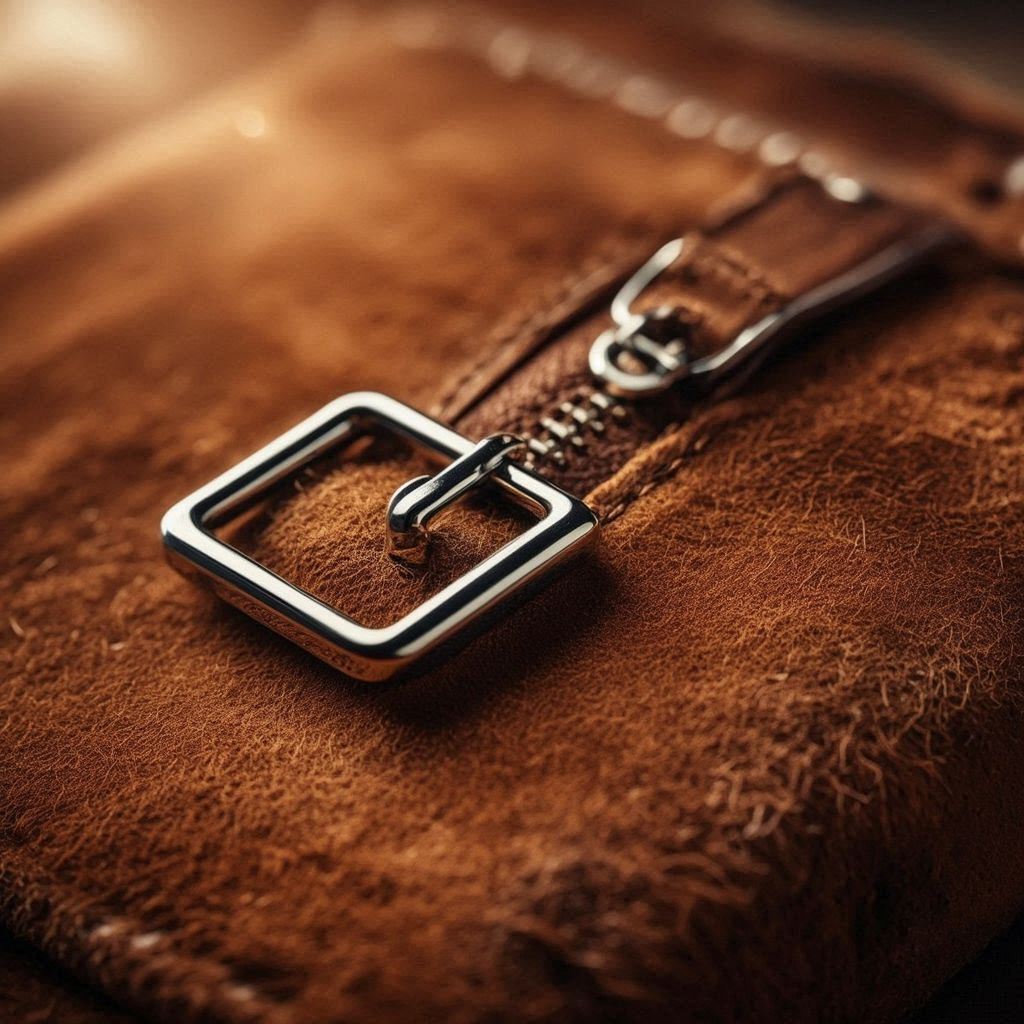
A defining 2026 detail is the pairing of tobacco suede with sleek silver hardware.
Silver accents introduce visual contrast against warm suede tones, capturing growing interest in mixed-metal styling. This contrast creates contemporary tension—heritage material meets modern refinement—appealing to collectors who want archival depth without period-specific styling.
The 2026 Aesthetic: Silver on Tobacco
Unlike gold or brass—which can read as period-specific—silver introduces cool-tone contrast that prevents vintage materials from appearing dated. This pairing signals understanding of heritage without being constrained by it. The result is a piece that ages gracefully while maintaining contemporary relevance.
Character as Market Appeal
Behavioral research supports this shift: perceived authenticity increases desirability. Wear signals trustworthiness. Buyers feel reassured by materials that demonstrate resilience.
Market data shows that certain pre-owned archival pieces with elegant patina sometimes match or exceed pricing of pristine versions. Aging validates craftsmanship and reinforces cultural relevance.
2005 Originals vs. 2026 Reissues: Evolution Overview
| Aspect | 2005 Original | 2026 Reissue |
|---|---|---|
| Device Compatibility | Designed for compact phones | Accommodates devices exceeding 163mm |
| Interior Materials | Cotton or suede linings | Screen-safe microfiber blends |
| Strap Engineering | Aesthetic-first construction | Reinforced for ergonomic carry |
| Base Structure | Minimal reinforcement | Hidden structural supports |
| Aging Characteristics | Variable patina development | Designed for graceful wear |
| Market Positioning | Trend purchase | Collectible consideration |
The Psychology Behind the Cycle
Why does a 20-year cycle consistently influence luxury?
Because time reframes perception.
After two decades:
- Original buyers become storytellers
- Younger consumers discover designs without historical bias
- Brands refine icons with accumulated design clarity
The Y2K revival thrives because it merges familiarity with rediscovery. It allows buyers to participate in a narrative validated by time rather than solely by marketing.
Luxury in 2026 is less about pure novelty and more about considered stewardship.
Why Nostalgia Became Market Strategy
Economic considerations have made buyers more deliberate. Collectors now seek pieces that combine emotional resonance with demonstrated resilience.
Archival bags offer:
- Proven aesthetic longevity
- Established resale benchmarks
- Cross-generational recognition
When a bag survives multiple fashion cycles, it transcends trend status and enters design reference.
This is why the Archival Revival demonstrates consistent market interest: it reduces uncertainty.
The Editor’s Perspective
The 20-year glitch represents more than stylistic recurrence—it’s a recalibration of values.
In 2026, many collectors have shifted from chasing novelty toward seeking continuity: pieces that bridge eras, adapt to modern life, and develop character over time.
Whether through the Chloé Paddington 2026 relaunch, the enduring appeal of the Balenciaga Le City, or the evolving aesthetic of tobacco suede patina, a pattern emerges:
Contemporary luxury increasingly values designs that have already proven their staying power.
Thoughtful purchases today aren’t only about predicting trends. They’re about recognizing which pieces have already transcended them.
Because lasting luxury is rarely about what’s newest. It’s about what endures.
Explore Our Perspective on Contemporary Heritage
Curated selections that honor proven design principles while embracing modern functionality, sourced from verified luxury suppliers.
About This Analysis
The Luruge Editorial Team creates luxury trend analysis through fashion industry observation, resale market data review, and design commentary. This guide reflects developments observed during the 2024-2026 fashion cycle. Updated February 2026.
Our Curation Philosophy
At Luruge, we source exclusively from BrandsGateway, a verified wholesale luxury distributor with direct brand relationships. Our selections balance aesthetic heritage with contemporary functionality. While we discuss market trends and resale patterns based on publicly available data, we do not make specific value predictions or investment recommendations.
Market dynamics evolve continuously. Historical performance patterns do not guarantee future outcomes. Purchasing decisions should reflect personal preferences and independent evaluation.
Post Tags: #Archival Fashion #Designer Bag Trends #Luxury Market Analysis #Vintage Revival #Y2K Fashion 2026